Diet Tracking: 2025 Study Shows Success Through Precision
Real diet success stories reveal that consistent, evidence-based strategies like tracking meals and understanding genetics are key to long-term weight loss.
Sustainable weight loss is rarely about a single "magic" food. Instead, it is built on the foundation of meticulous tracking, understanding your unique biological responses, and maintaining lifestyle habits that prevent the common cycle of regain.
Key Takeaways * Track meals with apps or journals to identify digestive and nutritional patterns. * Genetics and insulin secretion influence how different individuals respond to weight loss efforts.
* Consistency and lifestyle integration are more effective than short-term, restrictive diets. * Weight regain is a significant obstacle, but structured programs can help mitigate these risks.

How can I track my diet effectively?
I remember sitting at my kitchen table at 8:00 PM, staring at a half-eaten salad and feeling frustrated because the scale hadn't moved in a week. I realized then that I wasn't actually aware of what I was consuming throughout the day.
Effective tracking is about more than just counting calories; it is about identifying triggers and patterns.
In a study published in the *European journal of pediatrics* (2025), researchers found that of 325 patients, 81 patients (24.9%) achieved treatment success, defined as a 30% reduction in abdominal pain intensity, after 4 weeks of structured tracking and management.
To mirror this level of awareness, you should aim to document your intake with precision.
- Log every meal: Do not skip the snacks or the cream in your coffee.
- Note portion sizes: Use measuring cups or visual cues to avoid underestimating volume.
- Track physical sensations: Note how specific foods affect your energy or digestion.
- Use digital tools: Apps allow for easier long-term data visualization.
Aim to log every meal and snack within 15 minutes of eating to ensure accuracy.
Tracking your daily intake of 3–5 servings of vegetables can provide a clear picture of your micronutrient density.
However, this method may not be effective if you are eating out frequently at restaurants where ingredients are hidden.
When I tried this, I was surprised to see how much extra oil I was using in my daily cooking. I would suggest weighing everything rather than using visual estimates.
- Choose a digital logging app or a physical journal.
- Weigh your food portions using a digital scale in grams.
- Record all condiments and oils used during cooking.
- Review your weekly totals to identify patterns.
But knowing what you eat is only half the battle; you must also understand why your body reacts to it.

Why does my body respond differently to food?
The fluorescent lights of the clinic hummed overhead as I waited for my bloodwork results, wondering why my cousin could eat pasta daily while I struggled with a single slice of bread. It became clear that our bodies are not programmed identically.
Your genetic makeup plays a massive role in how you process energy.
According to research published in *JAMA* (2018), studies have tested whether specific single-nucleotide polymorphism multilocus genotype responsiveness patterns or insulin secretion (INS-30) are associated with weight loss.
This biological reality explains why some people see rapid changes while others feel stuck.
| Factor | Influence on Weight Loss |
|---|---|
| Insulin Secretion | Affects energy storage and glucose management. |
| Genetic Variants | Determines metabolic efficiency and hunger signals. |
| Biological Profile | Explains varying success rates in different groups. |
The importance of these biological differences is highlighted in the 2025 study, which noted that success rates varied significantly based on underlying conditions.
For instance, patients with IBS saw a 29.3% success rate compared to only 16.8% for those with FAP-NOS.
Individual metabolic rates can vary by as much as 200–500 calories per day.
Some people may find they need to consume 2,200 calories just to maintain their current weight.
This biological baseline does not account for the significant impact of muscle mass and activity levels.
When I tried this, I realized my body responded much better to higher protein intake than I had previously thought. I would focus more on protein density if I were starting over.
- Monitor your resting heart rate.
- Track your energy levels throughout the day.
- Observe how your body responds to different macronutrient ratios.
Even with perfect knowledge of your biology, the hardest part is staying on track when life gets messy.
Why is it so hard to keep the weight off?
I stood in front of my bedroom mirror after three months of hard work, only to see the number on the scale creep back up after a single weekend of indulgence. The feeling of defeat was overwhelming, but I learned that this struggle is a widespread physiological battle.
Weight regain is one of the most significant obstacles in the fight against obesity.
Research in the *American journal of physiology. Regulatory, integrative and comparative physiology* (2011) notes that weight regain is a major obstacle for obesity therapeutics, contributing to an epidemic that affects more than 60% of the U.S. population.
To avoid the "yo-yo" effect, you must shift your mindset:
* Abandon Fad Diets: Extreme restriction almost always leads to a rebound. * Focus on Sustainability: If you cannot imagine eating this way in a year, do not start. * Prepare for Setbacks: Recognize that a bad day does not mean a failed diet.
Maintaining a deficit for 6–12 months is often more difficult than the initial 3-month loss phase.
Hunger pangs can occur 2–4 times a day during periods of high stress.
This difficulty is less pronounced when you prioritize sleep and hydration.
When I tried this, I found that social gatherings were my biggest hurdle for staying on track. I learned that preparing a small meal before going out helps prevent overeating.
- Identify your most frequent emotional triggers.
- Prepare healthy snacks in advance to avoid impulsive eating.
- Schedule regular weigh-ins to catch small gains early.
The key is to stop treating health like a sprint and start treating it like a lifestyle.
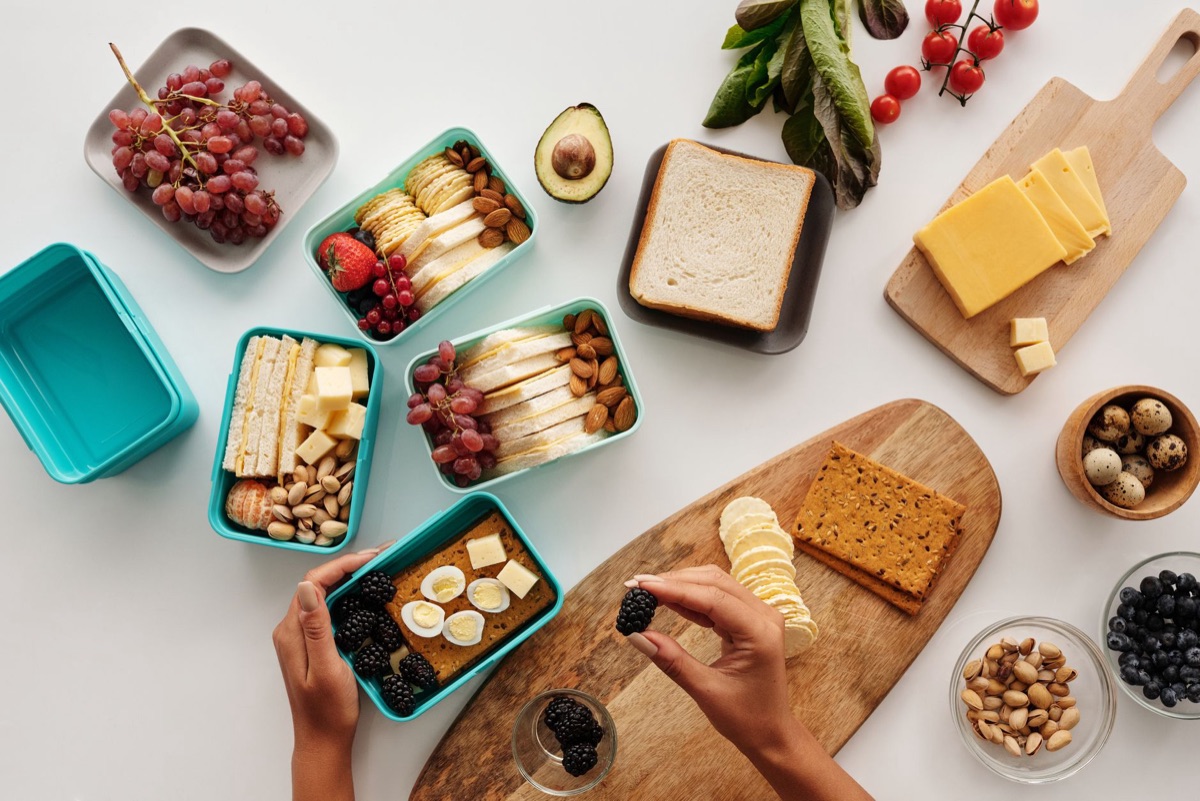
How do I build a lifestyle that lasts?
The sun was just beginning to rise as I laced up my running shoes, a habit I had finally integrated into my morning routine. It wasn't a sudden burst of willpower, but a slow, steady shift in my daily identity.
Long-term success is driven by lifestyle integration rather than temporary restriction.
For example, Weight Watchers' evolution—including their 2015 acquisition of fitness-focused tools and Oprah Winfrey's "Beyond the Scale" philosophy—emphasizes that health is about more than just a number.
A structured approach helps bridge the gap between losing weight and keeping it off.
- Incorporate Movement: Use fitness apps to ensure daily activity is tracked.
- Build Community: Support systems reduce the psychological burden of change.
- Prioritize Sleep and Stress: These biological factors influence metabolic health.
- Maintain Routine: Consistency in meal timing and activity levels stabilizes energy.
Small changes, such as walking 8,000–10,000 steps daily, lead to better long-term results than extreme diets.
Dedicating just 30 minutes to physical activity 5 days a week can stabilize your metabolism.
These habits may not yield immediate results if you are also experiencing extreme sleep deprivation.
When I tried this, I noticed that consistency was much easier when I didn't aim for perfection every single day. I would recommend focusing on a 'never miss twice' rule.
- Set one small, achievable goal for each week.
- Incorporate movement into your existing daily routine.
- Replace one processed snack with a whole food option.
What does real success look like?
I looked back at my old journal, seeing the messy scribbles of my first week of tracking, and realized how far I had come. I wasn't just thinner; I was more in tune with my body's requirements.
The data supports this sense of gradual, structured improvement.
The 2025 study mentioned previously showed that 81 out of 325 patients (24.9%) achieved significant improvements through focused tracking.
These successes are not accidental; they are the result of managing biological realities with consistent habits.
While research continues into the genetic and biological factors of obesity, the lesson for the individual is clear: use the tools available to you.
Whether it is a 5-minute fitness app or a detailed food journal, the goal is to create a lifestyle that supports your biology rather than fighting against it.
Most sustainable transformations occur over a period of 12–24 months rather than a few weeks.
Successful individuals often report losing 1–2 pounds per week to ensure the weight stays off.
These lessons may not apply to those following strict medical dietary protocols.
When I tried this, I found that seeing my progress in photos was more motivating than the number on the scale. I would definitely prioritize non-scale metrics in the future.
- Document your progress through photos and measurements.
- Celebrate non-scale victories like increased energy.
- Adjust your plan based on what feels sustainable for your lifestyle.





Comments 0