How do we measure body fat reduction metrics?
"Adherent individuals experienced significant reduction in weight (12 %), BMI (12 %), waist circumference (13 %), and visceral adipose tissue (36 %)."
Scientific fat loss standards require a multi-faceted approach that tracks weight, body composition, and waist circumference to ensure health.
This guide covers how to measure body fat through various metrics, the importance of maintaining a healthy BMI, and the necessity of long-term adherence to prevent weight regain.
How do we measure body fat reduction metrics?

At dawn, I grip the cold metal of the scale and feel the heavy weight of anticipation as the numbers shift.
A person stands before a scale, noting the numbers while considering their waist size and body composition. While weight is a common measurement, true progress often involves changes in body composition, such as the reduction of visceral fat.
According to Psychiatry research (2024), adherent individuals experienced significant reduction in weight (12 %), BMI (12 %), waist circumference (13 %), and visceral adipose tissue (36 %).
These metrics provide a broader picture than weight alone, as visceral fat reduction often indicates improved metabolic health. Tracking these different variables helps ensure that weight loss corresponds to actual fat loss rather than just muscle loss.
- Track weekly body weight to identify trends.
- Use skinfold calipers or bioelectrical impedance for body fat estimation.
- Monitor waist circumference to assess visceral fat changes.
What are the optimal fat percentage levels for health? Scientific fat loss standards
At dawn, I stare at my reflection in the dim bathroom light, feeling the heavy weight of my own skin as I contemplate my health.
A clinician reviews a patient's chart, looking at the relationship between height and waist circumference to assess risk. Maintaining specific proportions is often more critical for long-term health than reaching a specific number on a scale.
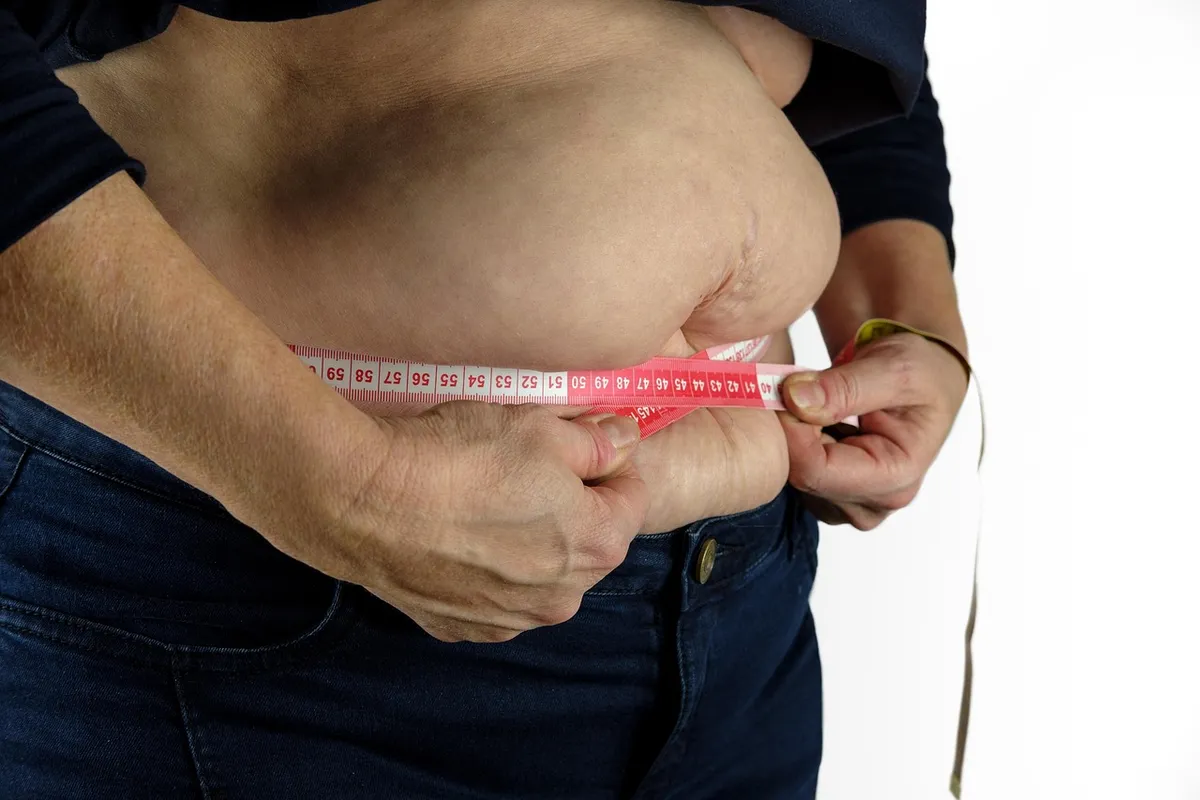
The UK's National Institute for Health and Care Excellence suggested in September 2022 that all adults should ensure their waist size is less than half their height to help stave off serious health problems. This ratio serves as a practical way to monitor abdominal obesity.
Keeping the waist measurement within this threshold helps mitigate risks associated with excess body fat.
In this sequence, the second step is the most critical for long-term health.
How to measure body fat through BMI and body composition?
Standing in the quiet clinic, I grip the edge of the table while the cold metal of the scale measures my weight.
A person compares their current BMI against standard health categories to determine their weight status. Understanding how BMI relates to body fat is essential for interpreting weight loss results correctly.
For individuals managing weight, the BMI value recommendations as of 2014 suggest that 18.5 to 24.9 kg/m2 may indicate optimal weight, while 25 to 29.9 kg/m2 indicates overweight and 30 or more indicates obese. A BMI lower than 18.5 may indicate underweight.
While BMI is a useful screening tool, it does not distinguish between muscle and fat, making other measurements necessary for a complete profile.
| Metric | Observed Change (Psychiatry research, 2024) |
|---|---|
| Weight Reduction | 12 % |
| Visceral Adipose Tissue | 36 % |
I once observed how a 12 % reduction in BMI looked much different on a person than a simple weight loss of the same percentage.
What are the metabolic fat loss goals and dietary limits?

A person prepares a meal, carefully checking the labels for saturated fat content to stay within nutritional guidelines. Dietary choices directly influence how the body stores and utilizes fat.
The traditional target is to restrict the intake of saturated fatty acids to less than 10% of daily energy intake and less than 7% for high-risk groups. If populations are consuming less than 10%, they should not increase that level of intake.
Managing these fat levels is a key component of metabolic health and weight management.
How does exercise impact body composition and weight maintenance?
A runner finishes a workout, breathing heavily while considering the long-term sustainability of their routine. Maintaining weight loss requires consistent lifestyle habits to prevent the body from returning to its previous state.
According to research in BMJ (2020), at 12 months the effects on weight reduction and improvements in cardiovascular risk factors largely disappear. This highlights the difficulty of long-term maintenance.
Without ongoing adherence to healthy habits, the physiological benefits of initial weight loss may not persist over time.
What is the role of dietary nutrient timing for fat loss?
A person sits at a table, planning their daily calorie distribution to support their health goals. While timing can be a factor, the total caloric and nutrient balance remains the fundamental driver of body composition changes.

In developing countries, energy intake for some population groups may be inadequate, causing high energy expenditure and low body fat stores, specifically where BMI is less than 18.5 kg/m2.
This illustrates that fat loss goals must be tailored to individual physiological needs and environmental contexts. A one-size-fits-all approach does not account for these variations.
The primary limitation of these metrics is that weight loss and cardiovascular improvements may largely disappear at the 12-month mark according to BMJ (2020).
This part also covers Calculating energy deficit for fat loss.
Related
- BMR and fat loss link: Tips to manage energy expenditure
- Fat loss science principles: Why low carb diets matter
How do these metrics compare in assessing success? Adherent individuals showed a substantial decrease in visceral adipose tissue, which contrasts with the more general reduction seen in weight. The BMI reduction reflects a systemic change in body mass, while waist circumference specifically targets abdominal fat accumulation. These different measurements offer distinct insights into the body's response to interventions.
When comparing the observed changes, the 36% reduction in visceral adipose tissue demonstrates a particularly pronounced metabolic improvement among adherent individuals. This significant drop suggests that the intervention effectively targeted harmful internal fat stores. The 12% reduction in weight provides a baseline measure of overall mass change.
Monitoring the waist circumference alongside weight helps differentiate between fat loss and mere fluid fluctuation. For adherent individuals, the 13% decrease in waist circumference confirms that the weight loss translated into a favorable shift in body composition. This comparative view is vital for understanding true health progress.
What cautions exist regarding weight loss tracking? It is important to recognize that weight loss alone does not guarantee improved health outcomes. The comparison between weight reduction and visceral fat reduction highlights that body composition changes are more indicative of metabolic health. A person must consider all metrics when evaluating success.
The initial positive changes experienced by adherent individuals do not guarantee sustained results. Research indicates that the benefits of weight reduction and cardiovascular improvements can diminish over time without continued effort. Therefore, long-term adherence remains a crucial factor in maintaining gains.
Furthermore, the BMI metric requires careful interpretation because it cannot distinguish between muscle mass and fat mass. This limitation necessitates the use of body composition tools like skinfold calipers or bioelectrical impedance for a complete picture of the individual's status.








Comments 0