Body fat vs weight difference: Why weight loss is not enough
Understanding the difference between body fat mass versus total weight is the first step toward meaningful health improvements. While the scale provides a single number, focusing on body composition ensures you are targeting fat mass versus total weight for better physical outcomes.
Key takeaways: * Differentiating between fat mass and total weight prevents the misconception that any weight loss equals healthy progress. * Essential fat levels vary significantly between men and women. * Incorporating compound movements can help shape body composition.
Why is body fat mass versus total weight so different?

In the quiet gym at dawn, I run my hands over my arms and realize my body weight feels heavy despite the shrinking size of my waist.
A person stands on a scale in a brightly lit gym, watching the numbers fluctuate with every slight movement. They might see a decrease in pounds, yet their physical appearance remains unchanged.
This happens because weight includes muscle, bone, water, and organs, whereas fat is just one component of that total. Understanding body fat levels requires looking beyond the scale to see how much of that weight is composed of adipose tissue.
For instance, the American Council on Exercise defines the amount of essential fat, below which a person is underweight, as 10–13% for women and 2–5% for men. Ignoring these biological requirements can lead to unhealthy weight loss.
However, these distinctions may be less significant in individuals with very low overall body mass.
How does fat patterning differ between men and women?
A woman looks in the mirror, noting how her body holds weight differently than a male colleague. The distribution of tissue is not uniform across different genders.
Research shows that biological sex plays a significant role in how fat is stored and measured.
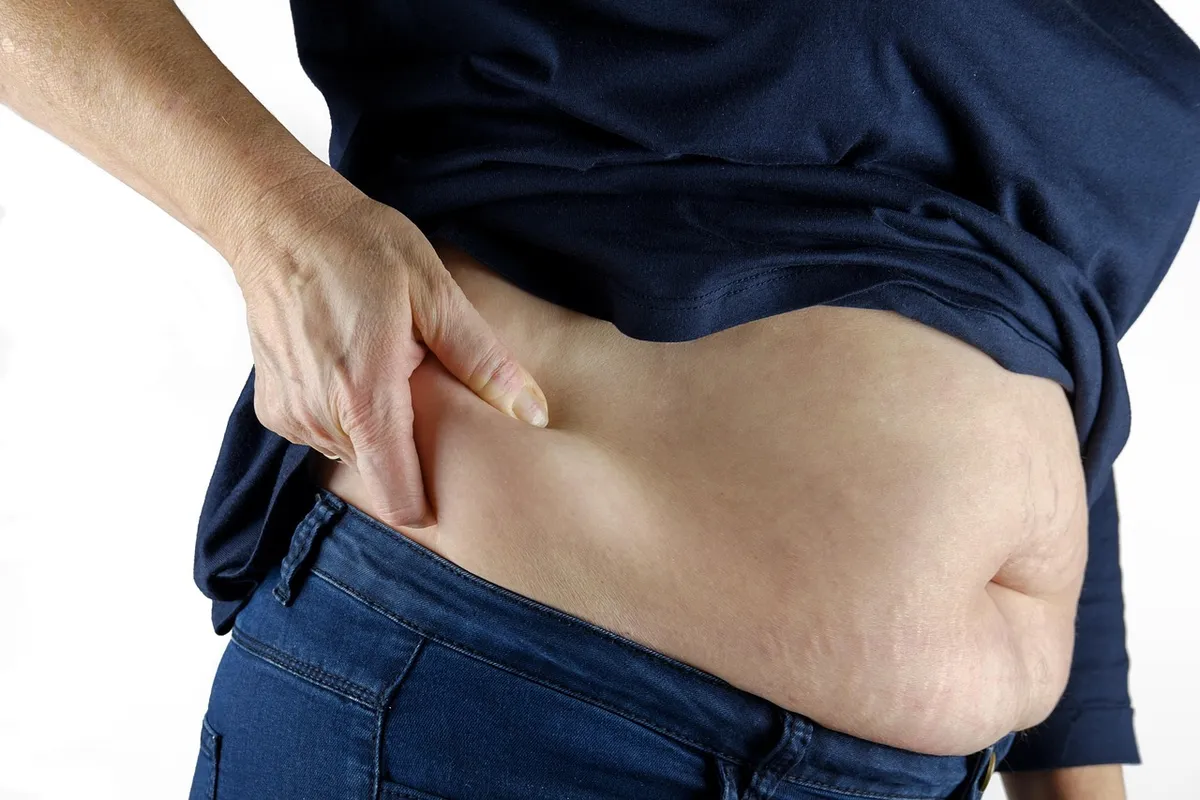
According to the Scandinavian journal of medicine & science in sports (2019), medians of SAT thickness sums D I were three-times higher in females (66.1 mm) than in males (21.8 mm), and the fat patterning differed significantly.
This variance means that weight-to-fat ratios will naturally look different regardless of the total number on the scale.
However, these biological tendencies can vary based on individual hormonal fluctuations.
How can you improve body fat communication with your body?
In the quiet kitchen, I close my eyes and breathe deeply, learning to listen to the subtle signals sent by my body.
A person prepares a meal, carefully weighing ingredients while thinking about their health goals. They realize that simply eating less does not guarantee a change in body composition.
To change how your body looks, you must focus on the quality of your physical makeup. Improving body fat communication involves understanding that muscle is denser than fat, which can cause weight to stay the same even as body composition improves.
Instead of focusing only on the scale, you might consider these strategies:
- Focus on compound movements like squats, lunges, push-ups, and weightlifting at least 2–3 times per week. 2. Try limiting eating to certain windows of time, such as 16 hours of fasting with an 8-hour eating window, to help manage calorie intake naturally. 3. Maintain a diet that includes higher protein, as diets where protein makes up at least 20% of daily calories tend to reduce hunger.

I once focused entirely on the scale and felt discouraged when my weight stayed the same despite my effort, but I realized my body was actually changing through strength training.
- Practice mindful eating to recognize hunger cues.
- Monitor physical sensations during activity.
- Adjust intake based on intuitive energy needs.
Why is weight loss not enough for health?
A person walks through a park, feeling energetic despite a higher body weight than they had a year ago. They understand that their health is not defined by a single number.
Relying solely on weight loss can be misleading because it does not account for the loss of lean muscle mass. If you lose weight through extreme calorie restriction without resistance training, you may lose muscle, which can lower your metabolic rate.
This is why weight versus body composition is a vital distinction; a person with more muscle may weigh more but have a lower body fat percentage and better metabolic health.
In this sequence, the first step is the most fundamental.
What are the risks of being underweight?
A student reviews health statistics, noting the different ways medical professionals define nutritional status. They consider how being too light can impact long-term health.
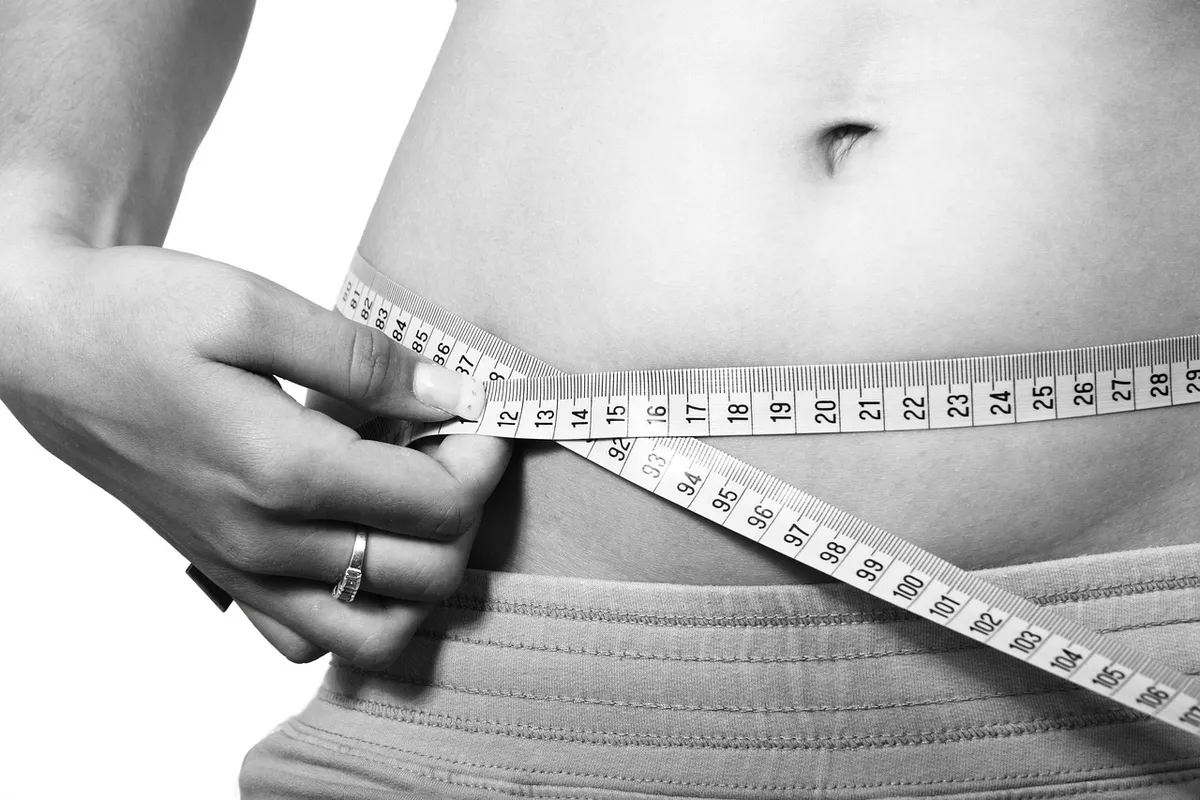
The American Council on Exercise defines the amount of essential fat, below which a person is underweight, as 10–13% for women and 2–5% for men, according to The American Council.
Being underweight is often defined by comparing an individual to the average weight of a cohort of people with a similar age and height. People who are at least 15% to 20% below the average weight for the group are considered underweight.
This can lead to health complications because essential fat is necessary for basic biological functions.
However, the severity of these risks depends on the individual's baseline health status.
Related
- Beginner fat loss nutrition: Guide to balance nutrients
- Fat loss exercise level: Intensity based on fat loss tips
When does the difference between body fat mass versus total weight become most apparent? When the difference between body fat mass versus total weight is most apparent, it is during periods of intense physical training where muscle gain occurs alongside fat reduction. Because muscle tissue is denser than adipose tissue, an individual can increase their lean mass while simultaneously decreasing their fat percentage, leading to a confusing reading on the scale.
This discrepancy highlights the importance of understanding body composition over mere weight change. The scale reflects the summation of all components—muscle, bone, water, and fat—while body fat mass isolates the adipose tissue component.
Recognizing this fundamental difference helps guide training adjustments.
For instance, a bodybuilder might gain weight due to muscle hypertrophy, yet their body fat percentage could decrease significantly, demonstrating the divergence between total weight and fat mass.
This distinction is particularly evident during periods of intense strength training.
How does the understanding of body fat mass versus total weight inform dietary choices? Understanding the difference between body fat mass versus total weight guides nutritional strategy because diet impacts both fat stores and muscle mass. When one focuses on reducing fat mass, the dietary approach should emphasize nutrient density over mere caloric restriction. This approach supports the goal of improving body composition rather than just achieving a lower number on the scale.
Dietary changes that prioritize higher protein intake support the maintenance of lean muscle, which is denser than fat. This supports the overall goal of understanding the difference between body fat mass versus total weight.
Limiting eating to specific windows can also help manage calorie intake while supporting metabolic health.
What are the conditions under which body composition changes are most noticeable? Understanding the difference between body fat mass versus total weight becomes most apparent when training intensity increases. Intense physical training stimulates muscle growth, which directly alters body composition. This change in composition is often masked by the scale's reading, which reflects total weight.
The condition of consistent resistance training is key to seeing improvements in body fat mass. This type of training helps ensure that weight loss, if it occurs, is primarily fat loss, not muscle loss.
Monitoring body composition provides a clearer picture than simply tracking total weight during these periods.







Comments 0