80g meal nutrition balance: Why whole grains provide satiety
"The goal is not to eliminate foods, but to manage the energy we bring to the table through intentional choices and smart timing."
Achieving an 80g meal nutrition balance requires a focus on energy distribution and carbohydrate quality. By prioritizing whole grains and managing caloric intake on specific days, you can maintain steady energy levels without constant restriction.
Key takeaways: 1. Aim for a specific carbohydrate-to-sugar ratio to maintain energy. * Incorporate whole grains like oats and brown rice for satiety. * Use structured caloric restriction to manage weekly intake.
How can I achieve an 80g meal nutrition balance?

At dawn in the quiet kitchen, I carefully weigh the oats to ensure my meal hits the perfect balance.
A person sits at a kitchen table, measuring out a portion of oats to ensure the weight is precise. To build an 80g meal nutrition balance, you must focus on the quality of energy sources rather than just the volume of food.
The Food and Agriculture Organization and World Health Organization jointly recommend that national dietary guidelines set a goal of 55–75% of total energy from carbohydrates, but only 10% directly from sugars.
This ratio ensures that the bulk of your energy comes from complex sources rather than simple sugars. Using these proportions helps maintain metabolic stability during a meal.
A student prepares a container of brown rice and vegetables to take to a lecture hall. For a balanced diet, selecting 100% whole grain breads, brown rice, and oats provides the necessary fiber and slow-release energy. These staples serve as the foundation for a simple food nutrition tips strategy.
What are the best foods for an easy meal nutrient guide?
A hand reaches for a bag of oats, pouring them into a ceramic bowl. When following an easy meal nutrient guide, choosing ingredients that offer long-lasting satiety is essential.
Low-carb diets and higher protein diets—at least 20% of daily calories—tend to reduce hunger. This protein-dense approach helps prevent the mid-day energy crashes often associated with high-sugar meals. Prioritizing these macronutrients makes it easier to stick to a planned portion size.
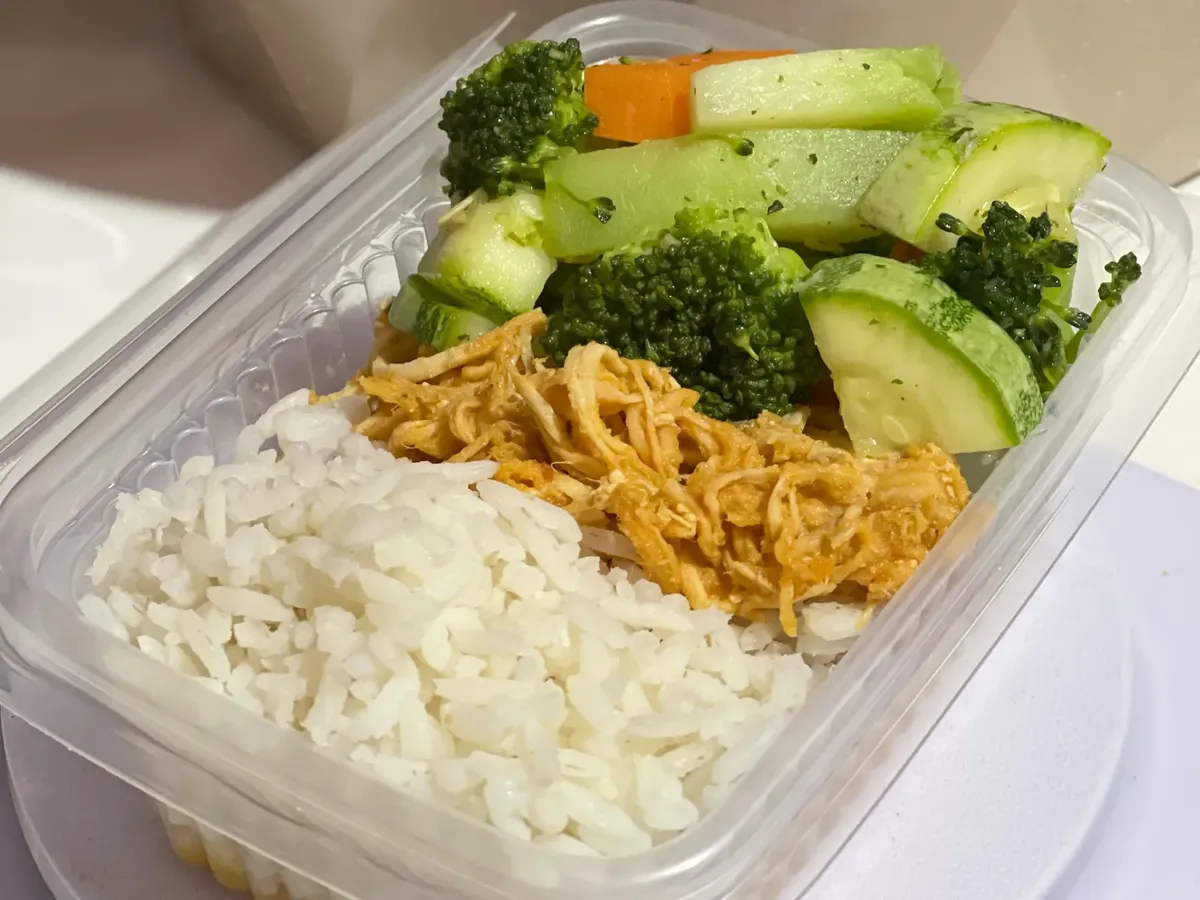
A person picks up a slice of whole-grain toast, noting the texture of the grain. You can incorporate healthy fats and fibers to complement your carbohydrate intake. A balanced 80g diet plan often relies on these nutrient-dense building blocks to stay full longer.
How do I manage calories with a balanced 80g diet plan?
The clock on the wall ticks as someone prepares a lighter meal for a designated fasting day. Managing a balanced 80g diet plan can involve structured approaches like the 5:2 diet.
In the 5:2 diet, people eat normally 5 days a week, while eating 500kcal (females) and 600kcal (males) on 2 non-consecutive days. The principle is that on fast days, people consume just 25 percent of their typical calorie intake.
This method focuses on strict caloric restriction on only 2 days a week instead of severely restricting foods every day.
A person stares at a digital scale, carefully weighing a portion of protein. This type of intermittent approach helps manage weekly caloric totals without the need for constant, daily deprivation.
What are some simple food nutrition tips for busy schedules?
A cook quickly stirs a pot of grains, checking the time to ensure the meal is ready on schedule. Effective simple food nutrition tips often involve utilizing ingredients that require minimal active preparation.
According to The Ministry of Human Resource Development, 95% of tested meal samples prepared by NGOs in Delhi did not meet nutritional standards in 2010–12.

You can reap the benefits of the Mediterranean diet while preparing simple meals that require no more than 30 minutes of active cooking time. This allows for healthy eating without the burden of complex recipes. Using whole grains like oats or brown rice makes these quick meals more filling.
A person packs a lunchbox with a mix of grains and proteins. Preparing these meals in advance ensures that you stay within your nutritional goals even when life becomes unpredictable.
How do I handle meal prep for fitness goals?
A person stands in a bright kitchen, arranging several glass containers filled with prepared food. Effective meal prep for fitness goals involves planning for both energy needs and satiety.
One way to approach this is through structured caloric cycling. For example, the goal of the 5:2 diet is to cut caloric intake on fasting days to 25 percent or just one-quarter of a person’s regular intake on the remaining days.
This helps balance total weekly energy while allowing for more substantial meals on non-fasting days.
A person adjusts the lid on a meal container, feeling satisfied with the week's preparation. Having these meals ready helps prevent the temptation of high-sugar, low-nutrient convenience foods.
How can I manage nutrition for workout routine needs?
An athlete wipes sweat from their forehead before reaching for a pre-prepared meal. Managing nutrition for workout routine needs requires understanding how carbohydrates fuel physical activity.
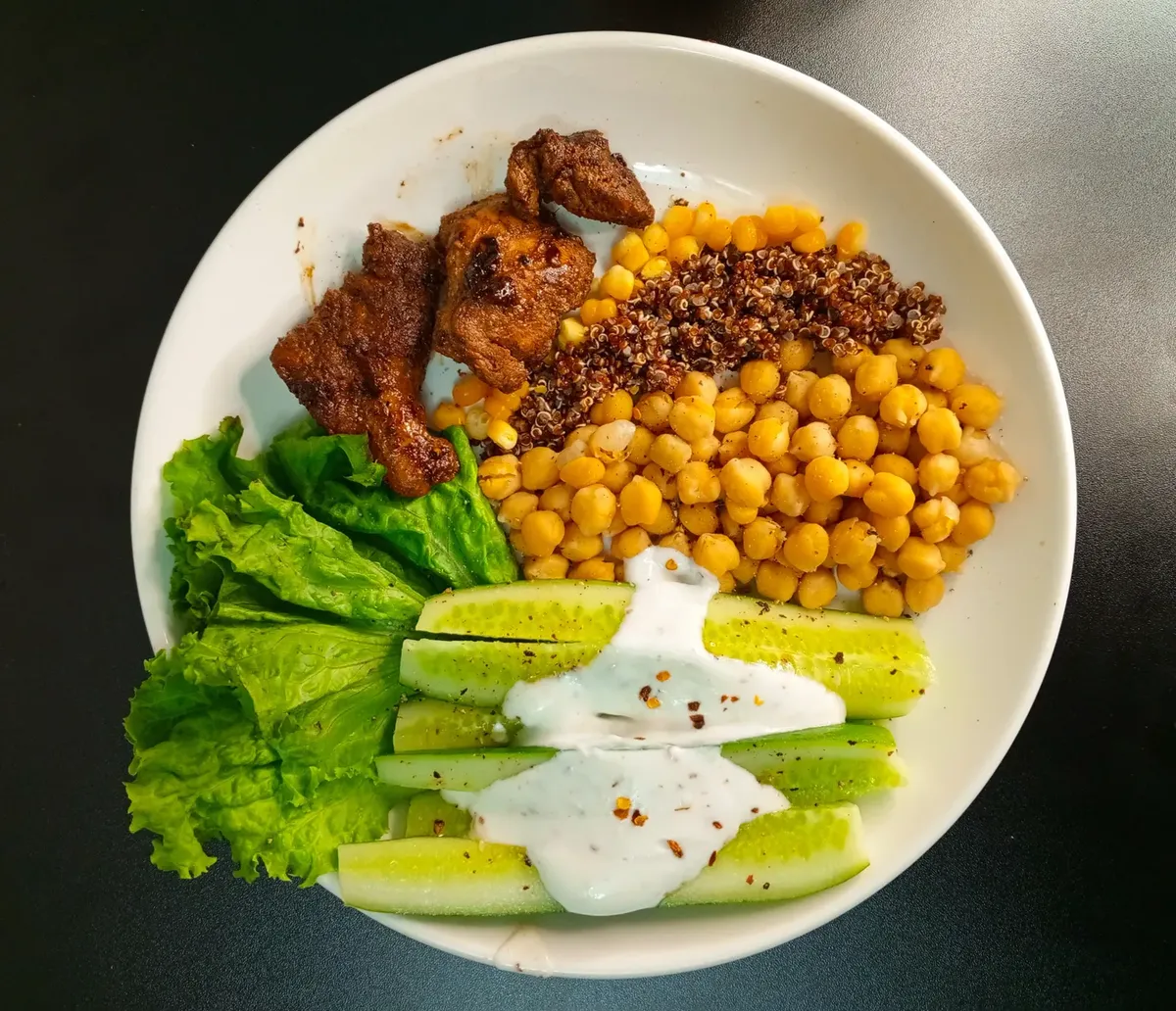
Since carbohydrates should ideally make up 55–75% of total energy, they are vital for fueling movement. However, ensuring only 10% of that energy comes from sugars prevents energy spikes and crashes. This balance is key to maintaining performance during exercise.
A person sits on a bench, eating a balanced portion of grain-based food. Timing these meals to coincide with activity can maximize the utility of the carbohydrates consumed.
- How can I achieve an 80g meal nutrition balance?
- What are the best foods for an easy meal nutrient guide?
- How do I manage calories with a balanced 80g diet plan?
The same subject is also called healthy eating 80g focus.
This part also covers daily healthy eating habits.
Related
- Japanese diet protein science why focus on nutrition
- Mediterranean diet fat loss: How to guide your eating
When should I prioritize whole grains? Whole grains should be prioritized when the objective is to maintain steady energy levels without constant restriction. Incorporating whole grains like oats and brown rice helps provide the necessary fiber for satiety. This focus on whole grains supports the overall goal of managing energy through intentional choices.
What precautions should I take when restricting calories? A caution associated with these dietary strategies is that they demand consistent monitoring of portion sizes. This diligence is necessary to ensure the intended caloric restrictions are actually achieved. The goal remains managing energy, not eliminating foods entirely.
The comparison between complex and simple energy sources shows that complex sources, found in whole grains, provide energy slowly. Simple sugars cause rapid energy fluctuations, which the dietary guidelines aim to limit.





Comments 0