Protein Breakfast: Stabilize Blood Sugar with 30g Goal
"It is not just about what you eat, but about creating a rhythm of when and how you eat."
To optimize your eating routine, focus on stabilizing blood sugar with a high-protein breakfast, maintaining consistent intervals between meals, and aligning your nutrition with your sleep patterns.
Success lies in managing time according to your body's biological rhythms rather than simply cutting calories.
* Breakfast: Prioritize high protein to prevent blood sugar spikes before lunch. * Meal Patterns: Grain-based patterns often provide higher nutritional scores than bread-based patterns. * Sleep and Diet: Getting enough sleep is a fundamental requirement for maintaining a healthy diet. * Protein Timing: Consuming protein during the evening may improve the efficiency of muscle synthesis.

Why should protein be the star of your breakfast?
At 7:00 AM, the morning sun streams through the kitchen window. You sit down at the table with a glass of lukewarm water, feeling the quiet of the early hour. Your hands move steadily as you prepare two eggs and a side of sautéed spinach.
What you choose for breakfast dictates your energy levels and blood sugar control for the entire day. The proportion of protein in your first meal specifically influences how hungry you will feel by mid-afternoon.
According to Nutrients (2022), a high-protein breakfast suppressed the 3-hour iAUC of postprandial glucose levels after breakfast and the 1.5-hour iAUC after lunch.
The goal is to prevent the "rollercoaster" effect of rapid glucose fluctuations. When blood sugar swings wildly, insulin secretion becomes unstable, often leading to intense cravings for sugary snacks. By securing enough protein in the morning, you can maintain steady energy until your lunch break.
In a typical morning, aiming for about 30 grams of protein is a practical target. For instance, pairing two large eggs with 100g of chicken breast can get you close to this mark.
I have personally noticed that on mornings when I prioritize protein, the "pre-lunch slump" and the urge to grab a donut at 10:30 AM virtually disappear.
However, protein is only one piece of the puzzle. The specific types of carbohydrates you pair with it can change the nutritional efficiency of your meal entirely.

Should I eat grains or bread for better nutrition? Just before the lunch rush, you sit at your desk and feel your stomach growl. You glance at the clock, debating whether to reach for a quick sandwich or the meal-prepped bowl you brought from home.
When planning your diet, the "type" of carbohydrate matters as much as the amount. Many people try to cut carbs entirely to lose weight, but the quality of those carbs determines your nutritional value.
According to Nutrients (2020), for breakfast, the HEI-2015 and NRF9.3 total scores were higher in the "rice-based" pattern than the "bread-based" pattern.
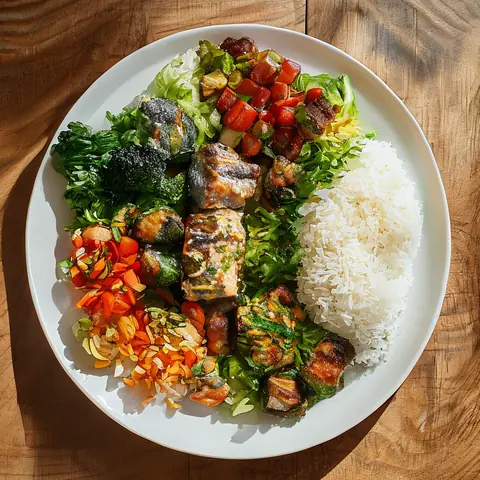
This suggests that meal patterns centered around complex grains may offer better nutritional balance than those relying on processed wheat products. Using whole grains as a base and pairing them with plenty of vegetables and lean proteins is an effective way to build a sustainable routine.
Complex carbohydrates digest slowly, providing steady energy for about 3 to 4 hours. A serving of about 50g of oats or one medium sweet potato is often a sufficient portion. Focusing on fiber-rich whole grains makes it much easier to manage your digestion and satiety throughout the afternoon.
While nutrition is vital, timing is equally important—especially if you are focused on muscle maintenance.
Is there a golden window for my evening meals to build muscle? It is 7:00 PM, and you finally step through your front door after a long day of work. Your shoulders feel heavy with fatigue, but you remind yourself that sticking to your meal schedule is part of your long-term health goal.
Meal timing is deeply connected to metabolic activity. Specifically, the timing of protein intake can make a measurable difference in how your body manages muscle.
According to The Journal of Nutrition (2014), the 24-hour mixed muscle protein fractional synthesis rate was 25% higher in the EVEN group compared to the comparison.
This indicates that including high-quality protein in your evening meal may send positive signals for muscle maintenance and growth. This does not mean eating a massive feast or late-night snacks; rather, it means consuming a well-rounded, nutritious meal at a regular time.
To allow your digestive system to rest, try to finish eating at least 3 hours before you go to bed. If you exercise, consuming 20 to 30 grams of protein within an hour after your workout is highly efficient.
For dinner, aim for a moderate portion of around 400 to 500 calories, focusing on lean protein sources.
Even the most perfect dinner cannot fix the damage caused by a poor night of sleep.
Why does lack of sleep ruin your eating habits?
It is 11:00 PM, and you are lying in bed, but your eyes are wide open. You find yourself scrolling through your phone, and suddenly it is 1:00 AM. The next morning, you wake up feeling heavy and regretful about the lost sleep.
Maintaining a meal routine is not just a matter of willpower; it is a matter of biology. Your circadian rhythm, specifically your sleep patterns, directly affects your ability to stick to a healthy diet.
According to the Journal of Clinical Sleep Medicine (2020), compared with normal sleepers, short sleepers displayed lower adherence to a healthy diet when using both the mMED score (adjusted odds ratio = 0.70; 95% confidence interval 0.56-0.88) and the HNFI score (0.70; 0.56-0.88).
When you are sleep-deprived, the hormones that regulate hunger fall out of balance. This often leads to intense cravings for high-calorie, sugary foods, which can derail even the best-laid meal plans. If you want to master your eating habits, securing a regular sleep schedule must be a top priority.
Sleep deprivation can increase the risk of consuming 20% to 30% more calories than usual due to hormonal shifts. Aiming for 7 to 8 hours of quality sleep is the true starting point for dietary management.

A step-by-step guide to a successful daily eating routine
Building a meal routine is about accumulating small, consistent habits rather than achieving instant perfection. Follow these steps to transition into a better rhythm.
- Hydrate immediately upon waking: Drink a glass of lukewarm water to wake up your metabolism.
- Secure morning protein: Use eggs, Greek yogurt, or beans to ensure protein is a major part of breakfast.
- Choose complex carbohydrates: Opt for whole grains or rice over refined white bread for lunch and dinner.
- Maintain consistent intervals: Eat at regular times to prevent extreme blood sugar swings.
- Include evening protein: Ensure your dinner has enough protein to support muscle synthesis.
- Set a sleep schedule: Go to bed at a set time to ensure you have the energy to maintain your diet.
| Meal Type | Recommended Composition | Expected Benefit | What to Avoid |
|---|---|---|---|
| Breakfast | High Protein + Complex Carbs | Stable blood sugar; less hunger | Sugary cereals/pastries |
| Lunch | Balanced Meal (Grain-based) | Sustained energy levels | Excessive refined carbs |
| Dinner | Protein-focused + Vegetables | Muscle support; better sleep | Very late-night eating |
Limits and considerations for your routine
There is no "magic hour" that works for everyone. Your optimal meal times will vary based on your occupation, activity level, and digestive capacity.
For instance, someone with a physically demanding job may need a higher proportion of carbohydrates, while someone with sensitive digestion might need to move their dinner time even earlier.
Furthermore, this general guide does not replace medical advice for individuals with specific health conditions. Total daily caloric needs can range anywhere from 1,800 to 2,500 calories depending on your body and lifestyle.
Rather than drastically cutting food, I recommend observing how your body responds over 1 to 2 weeks and adjusting accordingly. In my experience, focusing on the consistency of meal *times* was much more sustainable than being overly strict about exact portions from day one.





Comments 0