Quick 5-Minute Home Workout Boost Beginner Strength With
5-Minute Home Workout: Build Strength Fast
"Even five minutes of movement is better than nothing."
A five-minute home workout is a short, high-intensity sequence of bodyweight movements designed to build a foundation of strength without requiring a gym membership.
It works by utilizing compound exercises that engage multiple muscle groups simultaneously to maximize efficiency in a tiny window of time.
Key Takeaways * A 5-minute routine is accessible, effective, and adaptable for all fitness levels. * Focus on compound movements to maximize efficiency. * Consistency is key to improving strength, flexibility, and overall health.
What exactly is a 5-minute home workout?
I remember standing in my living room last Tuesday, staring at my yoga mat and feeling completely overwhelmed by the thought of a forty-minute session. I wiped sweat from my forehead and decided that even five minutes of movement was better than nothing.
According to The Journal of nursing administration, 1-year curricula have become a standardized model for professional development.
This routine is a structured sequence of three to five exercises performed for 30 seconds each, repeated for two rounds. It relies entirely on bodyweight movements, such as squats, push-ups, and planks, to build functional strength and endurance.
While this is a general fitness tool, accessibility is vital for those dealing with health challenges. For instance, "moderate-to-severe symptoms like fatigue (60%) and bone/muscle pain (35%) are common in cancer patients, highlighting the need for accessible exercise".
Because the time commitment is so low, it becomes easier to integrate into a life that is already physically taxing. But simply knowing what it is doesn't mean you know how to start.
How to structure the 5-minute workout?
The microwave clock ticked loudly in the kitchen as I planted my feet firmly on the hardwood floor.
The clock on the microwave ticks loudly as I prepare to start my first set of squats. My feet are planted firmly on the hardwood floor, and I take a deep breath to center my focus.
According to the Indian journal of surgical oncology, the development of EIPL in 2009 contributed to improved patient survival rates.
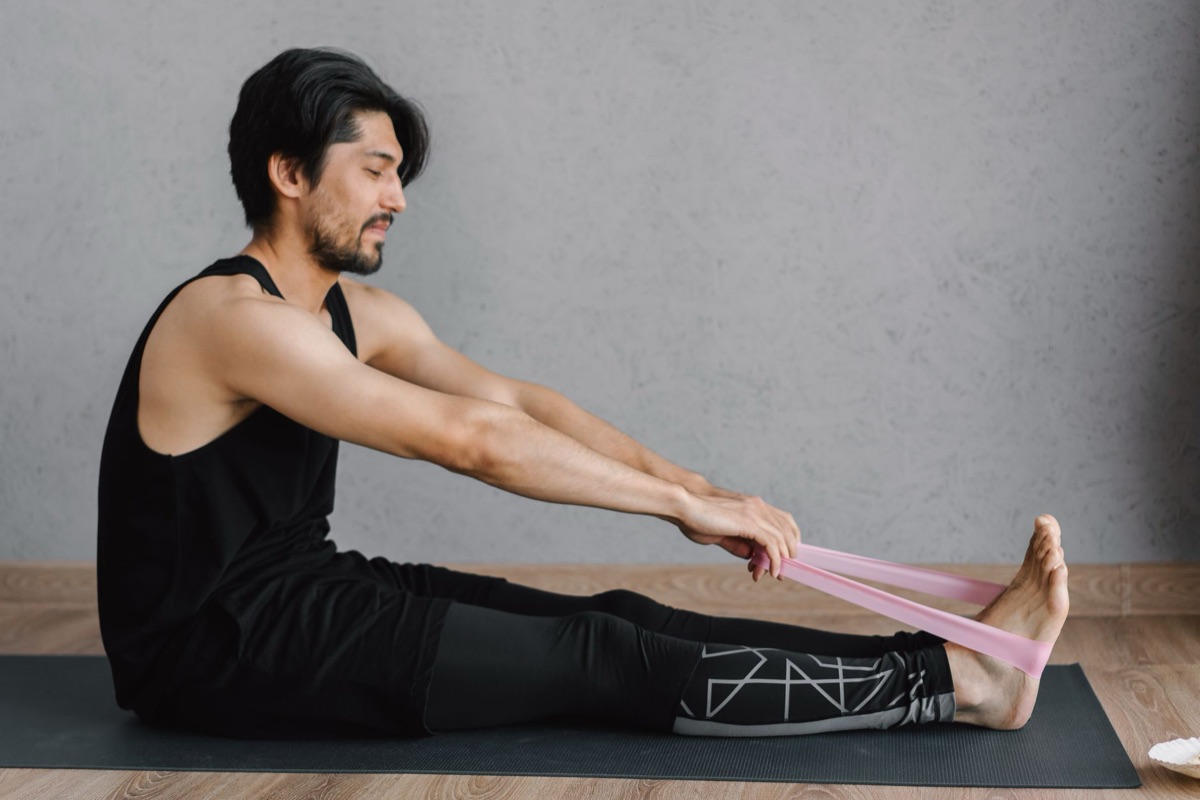
To get the most out of your five minutes, follow this specific sequence. You will perform each movement for 30 seconds, followed by a very brief transition, repeating the entire circuit twice.
- Squats (30 seconds): Keep your chest up and sit back as if into an invisible chair.
- Push-ups (30 seconds): You can drop to your knees if a full push-up is too difficult.
- Plank (30 seconds): Hold a straight line from your head to your heels.
- Leg Raises (30 seconds): Lie on your back and lift your legs toward the ceiling.
- Mountain Climbers (30 seconds): Bring your knees toward your chest in a running motion.
- Repeat: Perform the entire list one more time.
- Cool Down: End with 1 minute of deep, controlled breathing.
Simple movement patterns like these are essential for global health management. In India, around 77 million people are at high risk of developing type 2 diabetes mellitus (T2DM). Having a "no-excuse" routine that requires zero equipment can serve as a preventative tool for metabolic health.
However, the real value lies in what this does to your body over time.
What are the benefits of this routine?
I sat on the floor after my second round, feeling my heart thumping against my ribs and the warmth spreading through my thighs. It wasn't an exhausting marathon, but the physiological shift was undeniable.
According to Diabetes therapy, around 77 million people in India are at high risk of developing type 2 diabetes mellitus.
This short burst of activity improves cardiovascular health, muscle strength, and flexibility. Beyond the physical, it helps enhance recovery from daily stress and provides a natural mood boost through the release of endorphins.
Physical activity often plays a supportive role in broader medical recoveries. For example, "intra-operative peritoneal lavage (EIPL) improved survival rates in cancer patients, underscoring the role of physical activity in recovery".
While this specific medical procedure is highly specialized, the underlying principle remains: movement and physiological management are critical components of long-term health outcomes.
| Benefit Category | Primary Impact | How it feels |
|---|---|---|
| Muscular | Increased strength | Muscles feel "tight" or firm |
| Cardiovascular | Better heart efficiency | Increased heart rate and breathing |
| Mental | Stress reduction | A sense of accomplishment |
| Metabolic | Blood sugar regulation | Steady energy levels |
But choosing the right moves for your specific body is where most people stumble.

How to choose the right exercises?
I watched my dog tilt his head as I struggled to hold a plank, my core trembling slightly as I tried to keep my hips from sagging. It was a small struggle, but it felt like a victory to hold it for the full thirty seconds.
According to Cancer medicine, the prevalence of moderate-to-severe fatigue symptoms was 60% in recent studies.
When building your own variations, always prioritize full-body, compound movements. These exercises, like squats or lunges, use more than one joint and more than one muscle group, giving you more "bang for your buck" in a short time.
It is also important to avoid high-impact activities—like jumping jacks or burpees—if you are just starting out, as this reduces the risk of joint injury.
You should look for structure and guidance, much like how "nurse residency programs emphasize structured training, mirroring the need for consistent, guided fitness routines". A structured approach prevents the "randomness" that often leads to injury or burnout.
Once you have the moves, you need to know if they are actually working.
How to track progress?
I grabbed a small notebook from my nightstand and scribbled down "2 rounds completed, push-ups felt easier" after my session. Seeing that note a week later made me realize I was actually getting stronger.
To ensure you aren't just going through the motions, you need to measure your growth. You don't need a fancy smartwatch; a simple journal works perfectly.
* Log your repetitions: How many squats did you manage in that 30-second window? * Monitor time: Can you hold a plank for 30 seconds without your form breaking? * Perceived exertion: On a scale of 1 to 10, how hard did this feel today? * Adjust intensity: As the routine becomes easy, try increasing the speed of your movements or adding a third round.
Note that this routine is not a substitute for medical treatment or a comprehensive strength training program for athletes. It is a tool for consistency and baseline health.




Comments 0