Intermittent Fasting: Use 16:8 Method to Burn Body Fat
Stop focusing solely on calories and start mastering the clock to unlock your body's natural fat-burning potential.
Intermittent fasting is a strategic eating pattern, known scientifically as Time-Restricted Feeding (TRF), that focuses on *when* you eat rather than just *what* you eat. By extending your fasting windows, you lower insulin levels and signal your body to switch from burning glucose to burning stored fat.
* Insulin Regulation: Prolonged fasting periods drop insulin levels, the primary trigger for fat breakdown. * Metabolic Flexibility: It trains your body to utilize fat as a fuel source instead of relying on sugar. * Cellular Repair: Extended fasts can trigger autophagy, where cells clean out damaged components. * Sustainable Lifestyle: Methods like 16:8 fit easily into modern schedules without extreme deprivation.

Why does intermittent fasting actually work?
The effectiveness of intermittent fasting isn't magic; it’s rooted in hormonal shifts and energy balance. When we eat throughout the day, our bodies constantly produce insulin to manage blood sugar.
Since insulin is a storage hormone, high levels effectively "lock" your fat cells. This makes it nearly impossible for your body to access them for energy during the day.
According to Harvard Medical School's 2025 report, regular periods of fasting significantly improve insulin sensitivity and help stabilize blood glucose levels. This means you aren't just losing weight; you are recalibrating your entire metabolic "fuel system."
Furthermore, as fasting windows extend, the body enters a state called autophagy. According to the Mayo Clinic's 2025 wellness guidelines, this biological recycling process helps reduce inflammation and supports long-term cellular health.
Which fasting protocol is right for your lifestyle?
There is no "one size fits all" approach to fasting. The key to avoiding the dreaded yo-yo effect is choosing a method that you can actually maintain during a busy work week or while traveling.
| Protocol | Description | Best For | Difficulty |
|---|---|---|---|
| 16:8 Method | 16 hours fasting, 8-hour eating window | Beginners & Professionals | Low |
| 5:2 Diet | 5 days normal, 2 days low calorie (500–600 kcal) | Flexible daily eaters | Medium |
| OMAD | One Meal A Day (23-hour fast) | Advanced users | High |
| Eat-Stop-Eat | Full 24-hour fasts once or twice a week | Experienced fasters | High |
The 16:8 method is the most popular for a reason. For example, you might skip breakfast and eat your first meal at noon, finishing your last meal by 8:00 PM. This aligns perfectly with a standard office schedule.
If you aren't a morning person, this is often much easier than trying to force a healthy breakfast. It allows you to enjoy social dinners while still reaping the metabolic benefits of a long overnight fast.
How should you eat during your window?
A common mistake I see people make is thinking they can eat whatever they want as long as they stay within the time limit. This is a recipe for disaster.
If you break a 16-hour fast with a sugary doughnut, you'll trigger a massive "glucose spike." This sends your insulin skyrocketing and immediately halts fat burning.
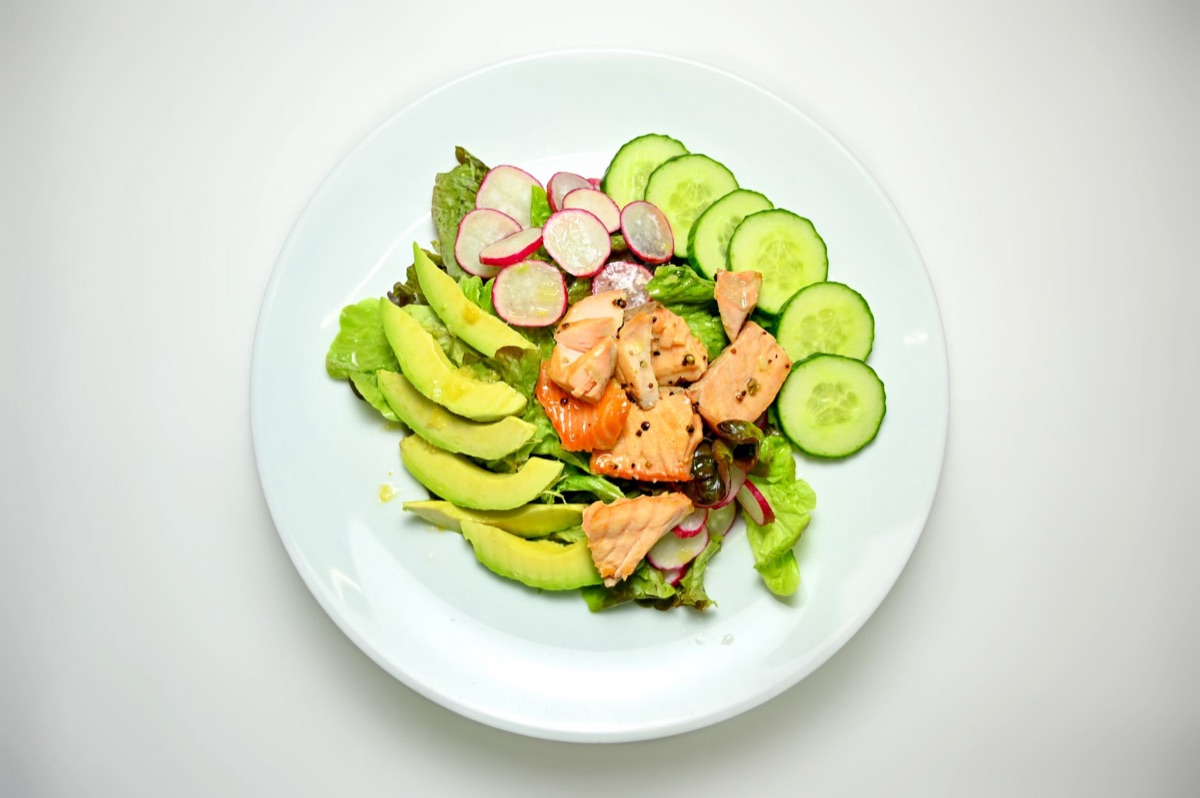
To maximize results, I recommend focusing on nutrient density. When I first started this journey in early 2025, I found that combining fasting with a Mediterranean-style diet made the biggest difference.
I felt less "hangry" and more focused during my work hours. Specifically, look into the "Green Mediterranean Diet."
A study cited by the American Journal of Clinical Nutrition's 2026 update suggests that high-fiber, plant-heavy diets help regulate satiety hormones. This makes it much easier to stick to your fasting window without feeling deprived.
How to start: A step-by-step adaptation guide
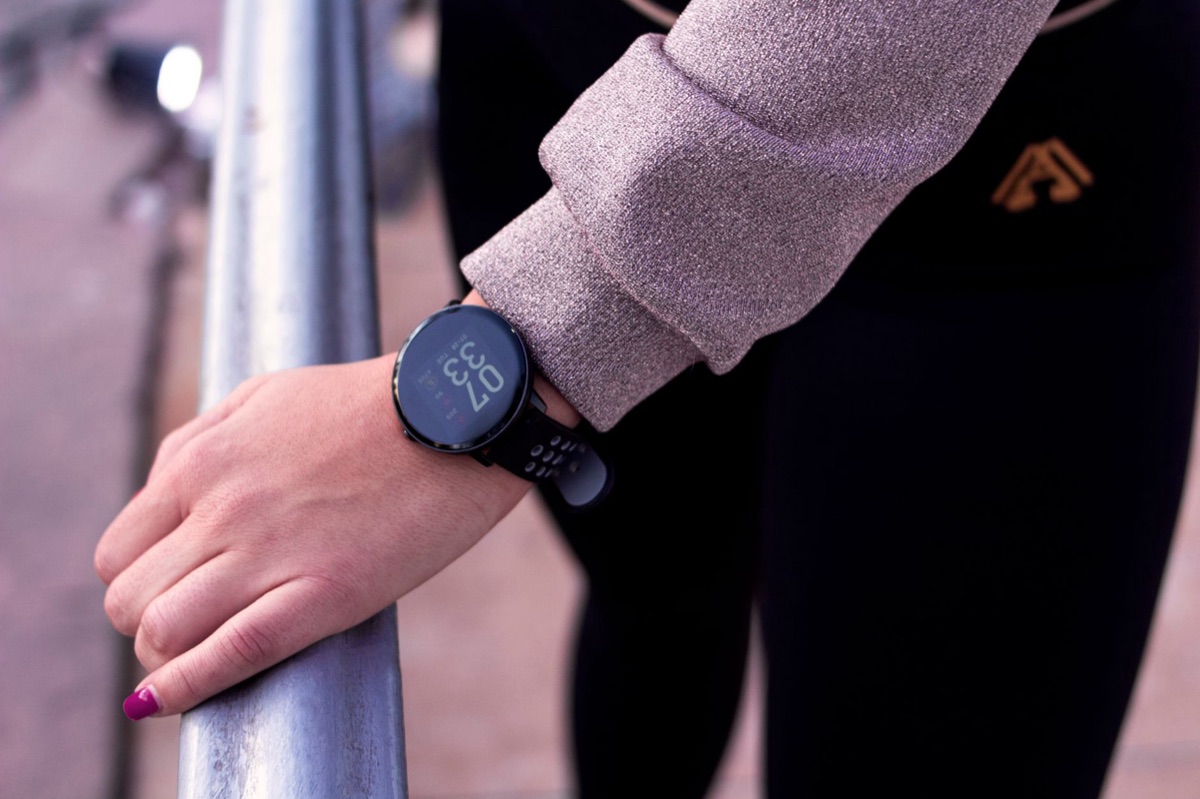
Jumping straight into a 20-hour fast can leave you feeling lethargic and irritable. Your body needs time to switch its metabolic gears from burning sugar to burning fat. Follow this gradual progression:
- Phase 1: The 12:12 Rule. Start by simply eliminating late-night snacking. Eat dinner by 7:00 PM and don't eat again until 7:00 AM.
- Phase 2: Expand to 14:10. Once comfortable, push your breakfast back by two hours. Focus on staying hydrated with water or herbal tea.
- Phase 3: Enter the 16:8 Zone. This is the "sweet spot" for most. Aim for a 16-hour fast and ensure meals are rich in healthy fats.
- Phase 4: Optimize with Movement. Once adapted, try adding light activity, like a brisk walk, during your fasting window to enhance fat oxidation.
I remember my third day of the 16:8 protocol; around 4:00 PM, I felt a wave of intense hunger. Instead of reaching for a snack, I brewed a hot cup of black peppermint tea.
The warmth and the ritual actually helped the hunger pangs subside within twenty minutes. By week two, that afternoon slump had completely vanished.
Important considerations and limitations
However, it is important to note that intermittent fasting is not a universal panacea. It isn't suitable for everyone.
If you are pregnant, breastfeeding, have a history of disordered eating, or are managing Type 1 diabetes, you must consult a physician before making any changes.
Additionally, the "what" still matters as much as the "when." If your 8-hour window consists entirely of ultra-processed fast food, you will likely struggle with weight gain and poor energy despite the fasting hours.





Comments 0