Daily workout routine guide: 30 minutes at least 5 days
"Consistency in movement is the foundation of long-term wellness, turning sporadic efforts into a sustainable lifestyle."
Establishing a daily workout routine guide requires understanding specific time commitments and physiological goals. This guide covers weekly duration requirements, daily step goals, and how to structure brief activity sessions to meet health standards.

Key takeaways: * Weekly targets involve 150 minutes of moderate activity. * Daily habits can include short 10-minute bursts. * Specific movement patterns can impact body composition.
How much weekly exercise is necessary for a healthy routine?
A person stands at the edge of a park, checking their watch before starting a light jog. To maintain baseline health, the American Heart Association recommends a minimum of 30 minutes of moderate exercise at least 5 days a week.
According to the Association recommends a minimum of 30, the American Heart Association recommends a minimum of 30 minutes of moderate exercise at least 5 days a week to maintain health.
The Centers for Disease Control and Prevention (CDC) recommends 150 minutes of moderate exercise weekly for adults. This weekly total provides a flexible framework for many different types of physical activity.
Following these guidelines helps ensure that the body receives enough stimulus to maintain cardiovascular health.
Can short bursts of movement count toward daily goals? Daily workout routine guide
In the quiet office at noon, I stretch my aching limbs and wonder if these brief moments can satisfy my daily requirements.
A runner pauses to catch their breath after a quick sprint, looking at the sun rising over the horizon. Small windows of time can be utilized to build a daily fitness plan that fits into a busy schedule.
The American College of Sports Medicine and American Heart Association guidelines count periods of at least 10 minutes of moderate MET level activity towards their recommended daily amounts of exercise. This means that movement does not always require long, uninterrupted sessions to be effective.
Breaking activity into these segments helps make a simple workout routine more manageable.
How can I structure a daily fitness plan for better results?
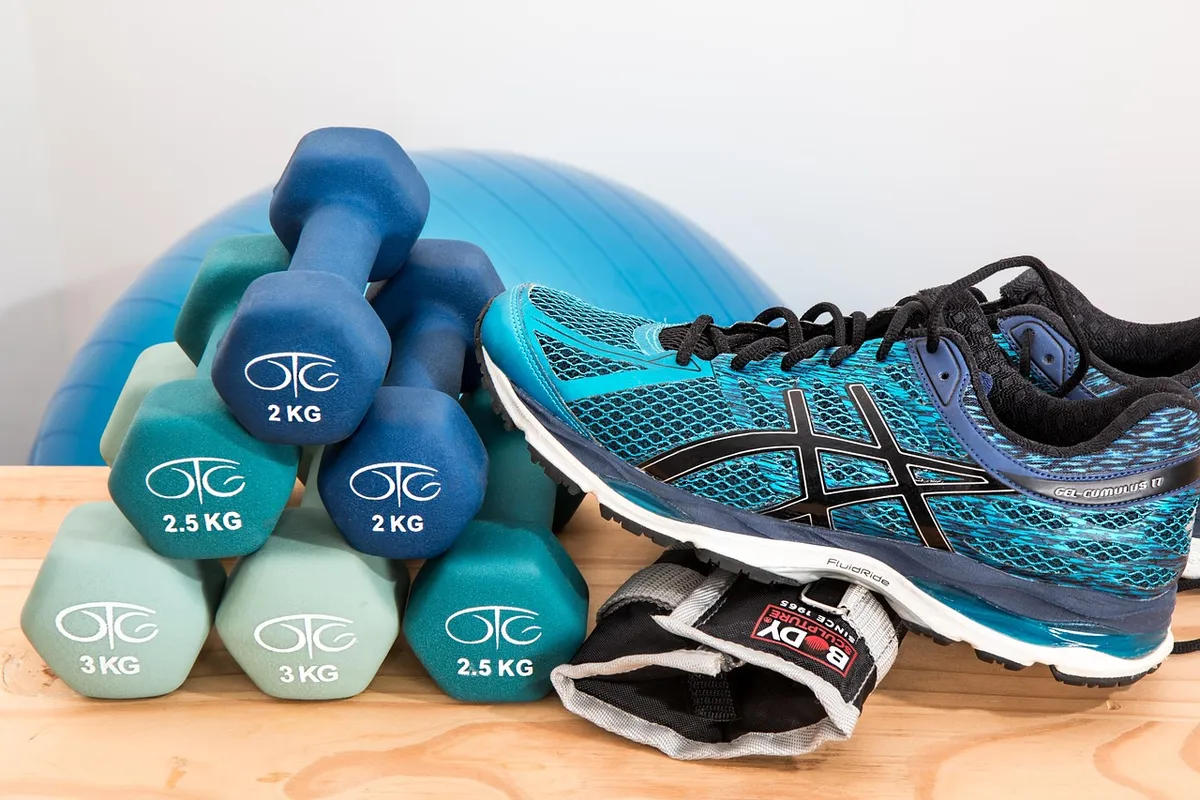
A person ties their laces tightly, preparing for a walk through a quiet neighborhood. To build a habit, one must balance duration with specific physical targets to see tangible changes.
A small 2019 study found that people with obesity who walked 12,000 steps per day and took a brisk walk three times a week had reduced visceral fat and hip circumferences after 8 weeks.
This study suggests that combining high daily step counts with structured brisk walks can influence body composition. Integrating these specific movements into your life can help you start exercising daily with clear objectives.
| Activity Type | Frequency/Duration |
|---|---|
| American Heart Association Recommendation | 30 minutes at least 5 days a week |
| CDC Recommendation | 150 minutes weekly |
I found that looking at these different time requirements helps in deciding how to split my own movement throughout the week.
What are the benefits of daily exercise for mental health?
A student sits on a bench, feeling the mental clarity that comes after a mid-day walk. Beyond physical changes, movement serves as a tool for managing cognitive and emotional states.
A 2024 systematic review and meta analysis commissioned by the Patient-Centered Outcomes Research Institute (PCORI) identified seven studies on the effectiveness of physical exercise for treating ADHD symptoms.
This research highlights the potential connection between regular movement and neurological management. Understanding these benefits can provide extra motivation to stick to a schedule.
How do I maintain a simple workout routine without burnout?
A person stretches their arms wide in a quiet living room, preparing for a morning session. Avoiding burnout requires a balance between vigorous activity and necessary recovery.

To avoid overexertion, one should focus on the specific targets set by health organizations rather than pushing toward exhaustion every day. For instance, meeting the 150-minute weekly goal does not require intensity at every single moment.
A sustainable approach focuses on consistency over intensity.
The subject here is Daily workout routine guide.
The same subject is also called Build exercise habit.
This part also covers How to make exercise stick.
This part also covers Safe exercise guidelines.
Related
- How does intermittent fasting fat loss work for the body?
- Japanese diet weight loss: Why balanced meals support health
What conditions affect the effectiveness of movement? 1. The specific movement patterns employed can influence body composition outcomes. 2. Adhering to the recommended weekly duration allows the body to receive adequate stimulus for cardiovascular health. 3. Combining high daily step counts with structured brisk walks can affect body composition, as shown in one study.
How does consistency relate to achieving wellness goals? 1. Consistency in movement transforms sporadic efforts into a sustainable lifestyle foundation. 2. A sustainable approach prioritizes consistency over achieving peak intensity during every session. 3. Maintaining a consistent movement schedule aids in closing the distance between present fitness and future health targets.
When considering daily activity, the duration of the session must be weighed against the intensity of the movement. Short bursts of activity are counted toward goals when they meet the minimum time requirement specified by health organizations.
This flexibility allows individuals to incorporate movement into varied daily circumstances.
The guidelines offer a framework for structuring activity, but individual outcomes depend on the nature of the movement undertaken. Therefore, while the recommendations provide a general roadmap, personal results will differ based on the specific type of activity performed.
Focusing on the established targets helps prevent the risk of overexertion, which is a factor in avoiding burnout. Meeting the required weekly minutes does not necessitate that every single minute be performed at maximum effort. This careful balance supports long-term adherence to the routine.






Comments 0