Brain foods for dieting: Best foods for brain diet guide
"A healthy diet is more than just managing weight; it is a foundational pillar for cognitive longevity and mental clarity."
Maintaining brain health while managing weight requires choosing nutrient-dense foods that support neurological function. Selecting specific dietary patterns can help protect your mind while you reach your physical goals.
Key takeaways: 1. Prioritize healthy fats to support cognitive processes. * Incorporate fiber-rich fruits into daily meals. * Practice mindful eating habits to regulate intake.
How can I find the best foods for brain diet?
At dawn in the sunlit kitchen, I slice a creamy avocado while imagining the healthy fats fueling my brain.
A person stands in a bright kitchen, carefully slicing a ripe avocado on a wooden cutting board. Selecting the right ingredients is the first step toward a successful nutritional strategy.
According to the Trustworthy Source National Health Service, you can add berries or a banana to your morning cereal or oatmeal.
When looking for the best foods for brain diet, focusing on healthy fat sources is a primary strategy. According to technical guidelines, you can aim to get 20–35% of your daily calories from healthy fats like avocados, salmon, or nut butters.
These fats provide the energy necessary for brain function.
Using these fats can help stabilize satiety during weight management. A person might prepare a salad using nut butters as a dressing base to ensure they receive essential nutrients.
Can I boost focus while losing weight? Brain foods for dieting
During my morning study session at the wooden desk, I swallow a spoonful of berry oatmeal to sharpen my brain.
A student sits at a desk, tapping a pen against a notebook while staring at a bowl of oatmeal. They need sustained energy to remain productive throughout a long study session.
The new pyramid aims to include more recent research in dietary health not present in the USDA's 1992 guide, according to the USDA.
To boost focus while losing weight, adding fruit to breakfast is a practical method. You can add berries or a banana to your morning cereal or oatmeal to provide natural energy. This approach ensures that your brain receives glucose for focus without the spikes caused by processed sugars.
The fiber in these fruits helps slow digestion, which supports steady energy levels. I found that adding berries to my morning oatmeal made a noticeable difference in my morning routine.
What are the best diet foods for focus?
A professional prepares a colorful lunch box, carefully arranging various vegetable slices and protein. They are looking for meals that prevent the mid-afternoon slump.
Identifying diet foods for focus involves choosing foods that support neurological health. Research has shown that specific dietary patterns, such as the MIND and Mediterranean diets, are linked to fewer signs of Alzheimer’s brain pathology.
These diets emphasize whole foods over processed alternatives.
These dietary patterns are often easier to maintain because they focus on variety. Choosing these foods helps ensure that weight loss does not come at the cost of mental sharpness.
How do I improve brain function dieting?
A person sits at a dinner table, picking up a fork and looking at a large, steaming plate of food. They decide to slow down to enjoy the meal more fully.
To improve brain function dieting, you must manage how you consume calories. One effective method is to chew each mouthful 20 to 40 times to fully release all of the flavors. This practice helps with digestion and allows your brain to register satiety more effectively.

Another way to manage large meals is to slow yourself down by waiting 5 or 10 minutes between each course. This pause allows your body to communicate with your brain regarding fullness.
What is the role of hydration in mental clarity?
A hiker reaches the top of a trail and takes a long, refreshing drink from a reusable water bottle. The cool water provides an immediate sense of relief.
Hydration is a critical component of maintaining mental clarity. Depending on biological needs, it is suggested to drink at least 11.5 cups (2.7 L) of water each day for women or 15.5 cups (3.7 L) for men. Proper hydration ensures that the brain remains functioning at its peak.
Carrying a water bottle can make staying hydrated much easier throughout the day. Many people find that having water readily available helps them avoid mistaking thirst for hunger.
How can I manage a healthy brain diet in a changing economy?
A shopper walks through a grocery store aisle, comparing the prices of fresh produce to packaged snacks. They are trying to balance their budget with their health goals.
According to the Food and Agriculture Organization, the UN Food and Agriculture Organization estimates that in 2023 40% of the world population, 2.8 billion couldn't afford a healthy diet.
Managing a healthy brain diet can be challenging due to economic factors. The UN Food and Agriculture Organization estimates that in 2023, 40% of the world population, 2.8 billion people, could not afford a healthy diet. Finding affordable, brain-healthy options requires careful planning.
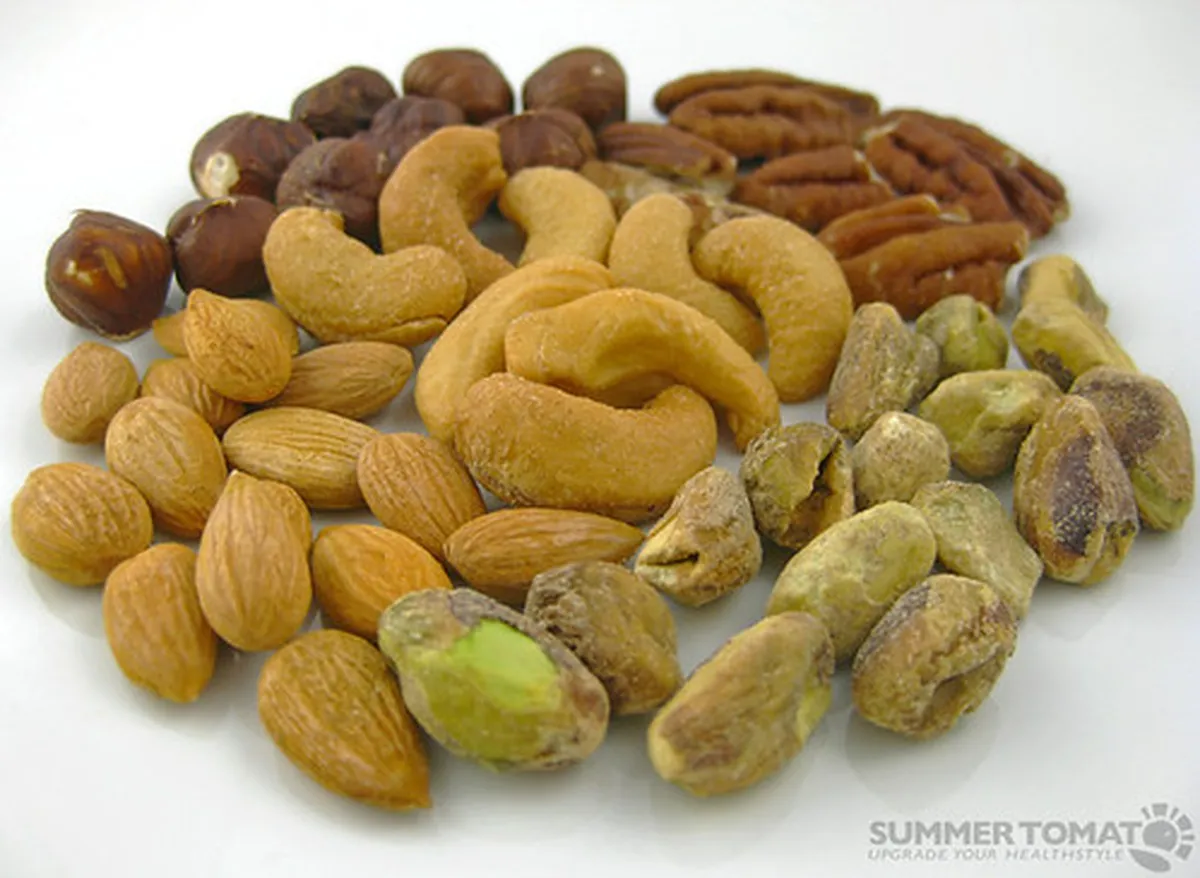
Focusing on staples like nuts, seeds, and seasonal fruits can help manage costs. While cost is a factor, prioritizing nutrient-dense foods remains essential for long-term health.
A limitation to these dietary strategies is that individual nutritional needs can vary based on specific medical conditions or activity levels.
- How can I find the best foods for brain diet?
- Can I boost focus while losing weight?
- What are the best diet foods for focus?
The subject here is Brain foods for dieting.
The same subject is also called Healthy brain diet foods.
The same subject is also called Nutrition for brain health.
This part also covers Diet foods for mental health.
Related
- Japanese diet weight loss: Why balanced meals support health
- Mediterranean diet fat loss: How to achieve wellness
How does fiber support a healthy diet?
Incorporating fiber-rich fruits is a key component of a healthy diet because the fiber aids in regulating intake. The fiber present in these fruits assists in slowing down the digestive process. This slower digestion contributes to maintaining steady energy levels throughout the day.
Fiber also plays a role in supporting the overall goals of weight management. By promoting satiety, fiber helps individuals regulate how much they consume during meals. This dietary element supports the mindful eating habits that are crucial for a healthy diet.
What cautions should I keep in mind regarding a healthy diet?
It is important to remember that individual nutritional needs can vary based on specific medical conditions or activity levels. Therefore, a one-size-fits-all approach to a healthy diet may not be suitable for everyone. Always consider these personal factors when planning your eating.
Furthermore, while focusing on nutrient-dense foods is essential, the cost of these healthy options can present a challenge in a changing economy. Careful planning is necessary to balance budget constraints with the need for a truly healthy diet.







Comments 0