Japanese diet weight loss: Why balanced meals support health
"A healthy weight is not just a number on a scale, but a reflection of nutritional balance and metabolic stability over time."
Maintaining a healthy weight through a Japanese diet weight loss approach involves managing portion sizes, caloric density, and nutritional composition to support long-term wellness.
This guide explores how dietary adjustments can influence metabolic health and provides practical steps for sustainable weight management. Key takeaways include managing calorie intake through meal sequencing, understanding the role of nutrient density, and setting realistic weight loss milestones.
How can I start a Japanese diet weight loss plan?
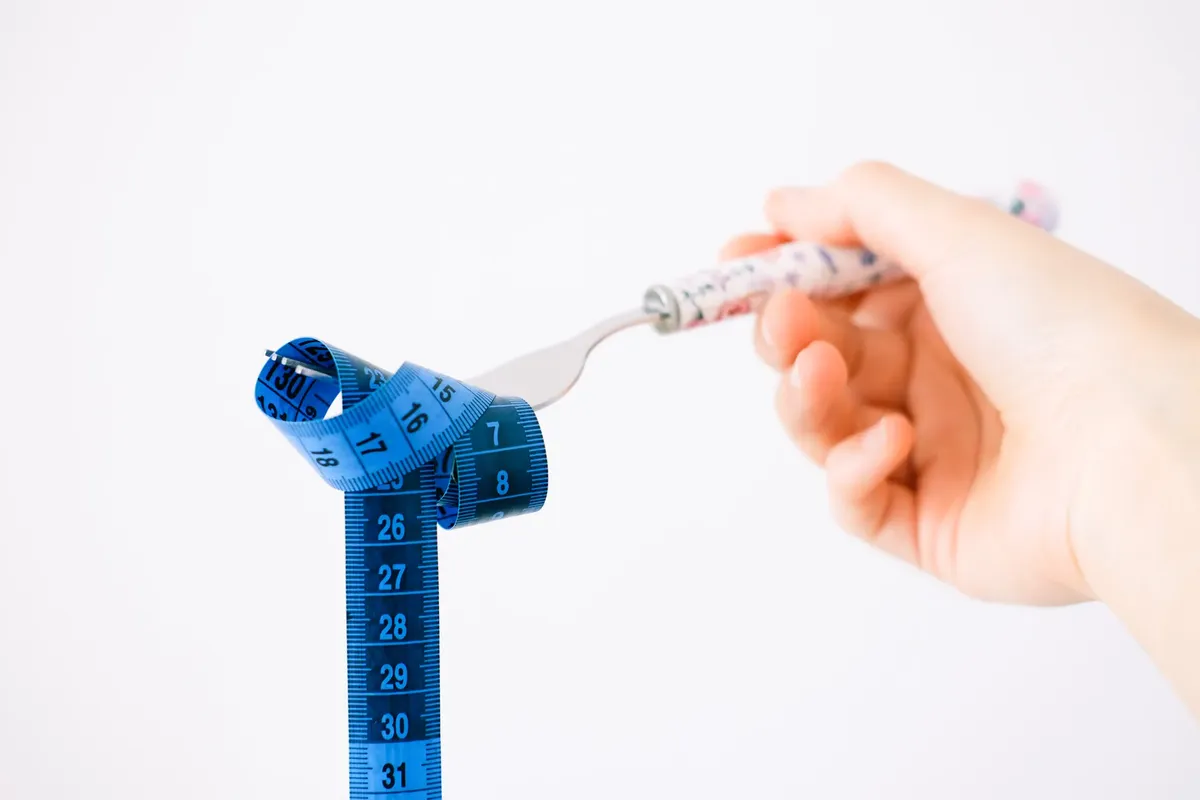
Walking into a bright kitchen, one might prepare a meal consisting of small, nutrient-dense portions. A Japanese diet weight loss strategy often focuses on the quality of ingredients and the timing of consumption to manage satiety.
Effective weight management begins with understanding caloric intake and nutrient density. According to a study on portion sizes, participants consumed 31% less calories with the small portion sized of a 6-inch submarine sandwich compared with the large portion size of a 12-inch submarine sandwich.
This suggests that mindful portion control is a cornerstone of success.
One can also utilize meal sequencing to manage hunger. When soup is consumed before a meal, there is a 20% decrease in the number of calories consumed during said meal. This technique helps in feeling full earlier in the eating process.
A healthy eating Japan style often incorporates seasonal vegetables and lean proteins to ensure a balanced intake. By prioritizing these elements, individuals can manage their energy levels throughout the day.
- Begin by incorporating more seasonal vegetables and fermented foods into your daily meals.
- Replace refined carbohydrates with whole grains like brown rice or barley.
- Focus on small, varied dishes rather than large single servings of one food type.
How will a balanced Japanese meal benefit me? At dusk, I sit at the wooden table and feel the warmth of a steaming bowl during my balanced Japanese meal.
Placing a steaming bowl of miso soup on a wooden table sets the stage for a balanced meal. Balanced Japanese meals are designed to provide a variety of flavors and textures while keeping total energy intake in check.
The composition of a meal significantly impacts metabolic response. A high protein diet relative to a low-fat or high-carbohydrate diet may increase thermogenesis and decrease appetite leading to weight reduction, particularly 3-6 months into a diet when rapid weight loss is observed.
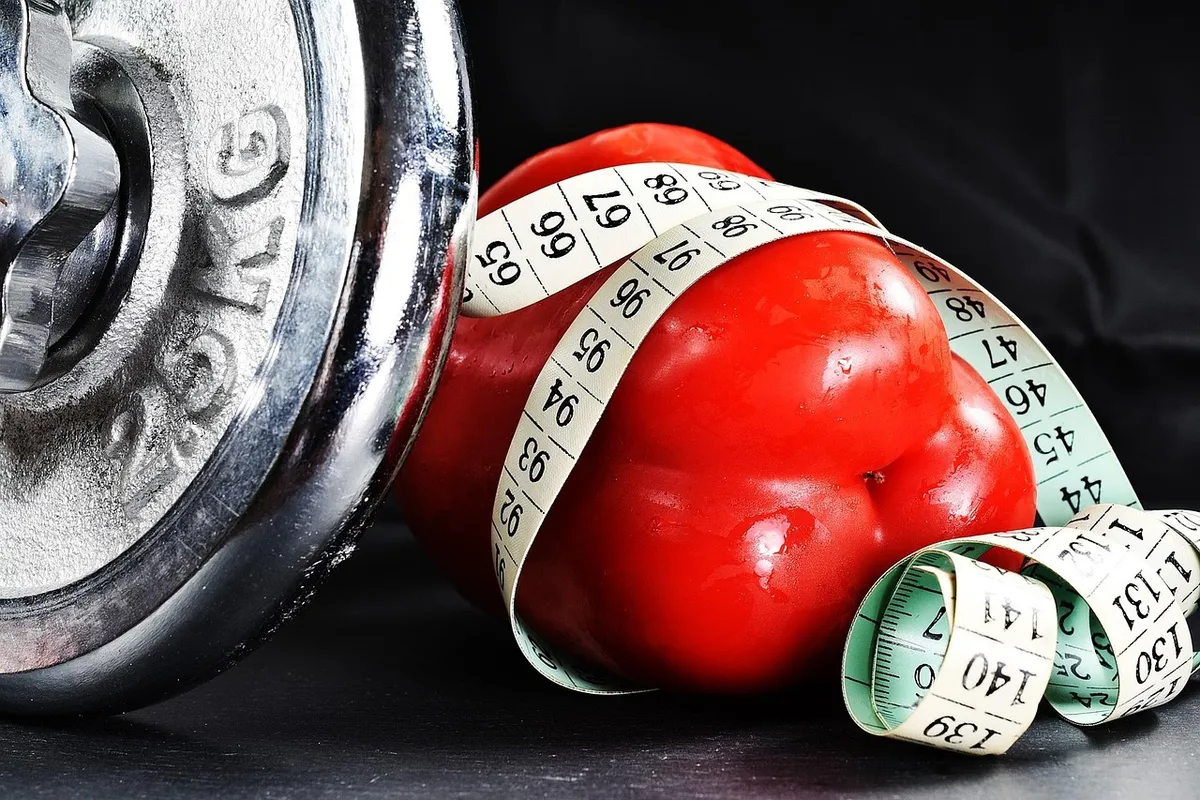
Using protein as a base can help maintain muscle mass while managing weight.
However, these advantages may be reduced later at 12–24 months into a diet during the slow weight loss phase. Staying consistent even when progress slows is vital for long-term success.
Weight control Japan strategies often involve a mix of carbohydrates, proteins, and healthy fats. This variety ensures that the body receives necessary micronutrients while maintaining a caloric deficit.
A balanced Japanese meal provides a wide variety of nutrients through diverse ingredients, helping to maintain steady energy levels and support overall wellness.
How do I manage portion sizes effectively?
Selecting a small ceramic plate and carefully arranging food can transform a standard meal into a controlled portion. Managing portions is essential for anyone looking to implement weight control Japan methods.
To manage portions, follow these three steps: 1. Use smaller plates to trick the eye into feeling satisfied with less food. 2. Incorporate high-volume, low-calorie foods like soups or salads at the start of the meal. 3. Focus on protein and fiber to increase satiety.
After completing these steps, perform a final check to ensure you are not overeating due to visual cues. This mindful approach helps regulate natural hunger signals.
Weight control Japan can be achieved by treating every meal as an opportunity to nourish the body without overextending caloric limits. This prevents the common pitfall of overconsumption.
Use smaller bowls and plates to naturally regulate intake, and practice eating slowly to allow your body to recognize fullness.
How can I succeed long-term with Japanese diet tips? Sitting down at a dining table with a variety of small dishes requires a shift in mindset. These Japanese diet tips focus on sustainable habits rather than restrictive, short-term fixes.

According to The Data Management Association, the Data Management Association (DAMA), formerly known as the Data Administration Management Association, is a global not-for-profit organization which aims to advance concepts and practices about information management and data management.
A major component of Japanese diet tips is understanding energy expenditure. Technically speaking, BMR is the energy the body expends during the following specific conditions: immediately after waking up, while in a resting state, and after fasting for 12–14 hours.
Understanding your baseline helps in calculating necessary caloric adjustments.
Additionally, the amount of energy expended while processing food differs by individual but on average it amounts to about 10% the number of calories consumed during a given time period. This thermic effect of food is a natural part of metabolism.
Sustainable weight management relies on these small, repeatable actions. By integrating these habits, the transition from a diet to a lifestyle becomes more natural.
Prioritize mindful eating and maintain a variety of flavors to prevent boredom, ensuring the diet remains sustainable for years to come.
What are the realistic goals for weight management?
Measuring progress with a tape measure or a scale can be a sensitive task. Setting realistic expectations is necessary to avoid frustration during the weight loss journey.
According to the Journal of nutritional science and vitaminology, the PRAL score for NH was 4.5 mEq/d, EC 3.8 mEq/d, and LC 19.0 mEq/d, with LC representing diets with a higher acid load.
Health professionals recommend losing 5% to 10% of your initial weight over the course of about 6 months. This gradual approach is much more sustainable than rapid, aggressive weight loss.

Even before you reach this goal, a loss of just 3% to 5% of your current weight can lower triglyceride. This shows that even small improvements can yield significant health benefits.
| Goal Type | Target Percentage | Timeframe |
|---|---|---|
| Initial Weight Loss | 5% to 10% | 6 months |
| Early Health Benefit | 3% to 5% | Immediate/Short-term |
I found that setting these incremental goals made the process feel much more manageable.
A limitation of these strategies is that individual metabolic rates and lifestyle factors vary, meaning the specific results may differ for everyone.
Aim for gradual, sustainable changes in eating habits rather than rapid fluctuations, focusing on building a healthy relationship with food.
This part also covers Japanese diet for health.
This part also covers Diet and exercise plan.
This part also covers Nutrition for weight loss.
Japanese diet for health
Related


Comments 0