Fat loss heart rate zone: How to set heart rate for fat burn
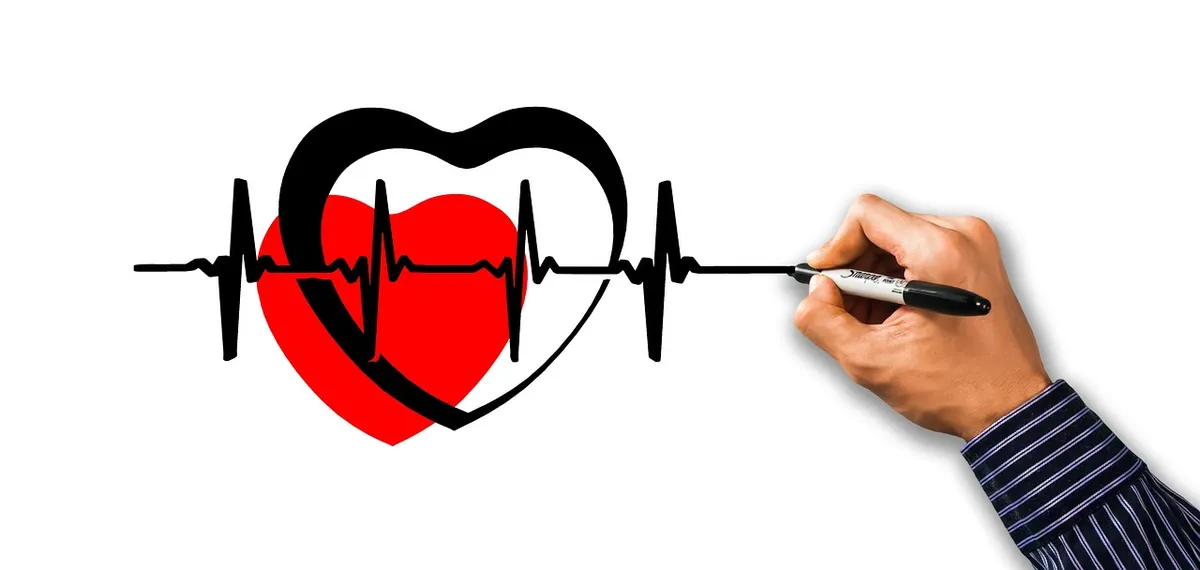
"The heart is often described as the size of a fist, yet its internal rhythm determines the efficiency of every movement we make."
Establishing a clear target for your cardiovascular effort is the first step toward meaningful physiological change. For those looking to manage weight through movement, finding the right intensity is essential.
This guide covers how to set a heart rate for fat burn, provides a beginner fat loss heart rate guide, and explains how adjusting workout intensity for results can be achieved through specific timing and recovery.

You will learn the basics of cardio intensity for weight loss and how to calculate fat burning zone parameters to optimize your routine. One limitation is that these general guidelines may not account for individual health conditions that require medical supervision.
How do I set a heart rate for fat burn?
Walking into a gym or stepping onto a track requires a clear sense of purpose to ensure every minute counts. You check your pulse or look at your monitor to ensure you are within the target range.
A healthy approach begins with understanding how much movement is necessary for general health. For reducing the risk of health issues, 2.5 hours of moderate-intensity aerobic exercise per week is recommended. This baseline helps establish a foundation for more specific fat loss goals.
Maintaining enough intensity is key to metabolic health. Even doing an hour and a quarter (11 minutes/day) of exercise can reduce the risk of early death, cardiovascular disease, stroke, and cancer. This minimal threshold serves as an entry point for those just starting their journey.
Effective training requires balance between effort and rest. Allowing 24 hours of recovery between aerobic and strength exercise leads to greater fitness. This recovery period ensures the body can adapt to the stress of exercise.
- Determine your maximum heart rate.
- Calculate your target range based on a percentage of that maximum.
- Monitor your pulse during exercise to stay within that zone.
What is a beginner fat loss heart rate guide? Fat loss heart rate zone
During my morning jog through the park, I feel the warm sweat on my skin as I consult a beginner fat loss heart rate guide to prevent the loss of my momentum.
Adjusting your breathing and stride while monitoring your pulse is a common way to gauge effort during a morning jog. You feel the warmth of exertion and check your progress against your intended targets.
The intensity of your movement directly impacts your physiological response. Using a beginner fat loss heart rate guide allows you to stay within a manageable range where you can sustain the activity for longer durations.
While high intensity has its place, steady-state movement is often more sustainable for consistency. You can use these baseline numbers to ensure you are not overexerting yourself too quickly.

Consistency over time is more valuable than single bouts of extreme effort. By staying in a controlled zone, you build the endurance necessary for more advanced training later.
In this sequence, the first step is the most fundamental.
How do I manage adjusting workout intensity for results?
Stepping up the pace on a treadmill requires careful attention to how your body feels under tension. You monitor your heart rate to ensure the intensity matches your current fitness level.
Success in fat loss often depends on how you manipulate your energy expenditure. For those following a routine, adjusting workout intensity for results involves finding the sweet spot between comfort and exhaustion.
A common mistake is staying at a single intensity level for too long. Periodically changing the challenge helps prevent plateaus in your progress.
It is important to listen to your body's signals during these adjustments. If the intensity feels too high, you can scale back to maintain the quality of the movement.
How can I calculate fat burning zone parameters?
Sitting down with a notebook to write down your age and resting pulse is a common way to prepare for a workout. You use these numbers to create a personalized roadmap for your training sessions.
Understanding the math behind your effort can be helpful. To calculate fat burning zone parameters, you must first understand your maximum capacity relative to your current fitness.
While the math provides a starting point, your actual physical sensation is a vital indicator. If you are gasping for air, you have likely moved past the optimal zone for steady-state aerobic work.
Using these calculations helps you stay on track during long-distance sessions. It provides a metric to ensure you are working at the intended level.
How to manage your routine with these steps?
Preparing your gear and setting your timer is the final step before starting an active session. You check your pulse one last time before beginning your movement.
According to the Yunnan Department of Civil Affairs, Heart to Heart was registered in December, 2005, and utilizes a community-based social service approach that includes providing various services as well as participating in research and policy advocacy.
To implement these concepts, follow these three steps:
- Determine your baseline by performing a moderate-intensity session to see how your body responds to the recommended 2.5 hours per week. 2. Schedule your sessions to ensure you are allowing 24 hours of recovery between aerobic and strength exercise to maximize fitness. 3. Monitor your heart rate during every session to ensure you stay within your target zone.
Always perform a final check of your heart rate and breathing to ensure you are not exceeding safe limits.
| Metric | Recommended Value |
|---|---|
| Weekly moderate-intensity aerobic exercise | 2.5 hours |
| Minimum effective daily exercise | 11 minutes |
I always check my pulse after a long walk to see if I am meeting my targets.
The effectiveness of these strategies depends on individual physical capacity and the specific health needs of the person exercising.
Related
- How do I start a beginner fat loss routine?
- 5 minute fat loss routine: why small movements help wellness
When Should I Adjust My Intensity?
Adjusting the intensity of your workout should occur when you notice your body adapting to the current level of strain. Periodically changing the challenge helps prevent plateaus in your progress, which is a common issue when maintaining a single intensity level for too long.
This adjustment process requires careful attention to how your body feels under tension during the exercise.
If the intensity feels too high during a session, you should scale back to maintain the quality of the movement you are performing. Conversely, if the activity feels too easy, increasing the pace on a treadmill or adding resistance can serve as a necessary stimulus for further gains.
Monitoring your heart rate remains the primary tool for guiding these changes.
What Does Consistency Mean for the Heart?
Consistency over time is more valuable than single bouts of extreme effort when aiming for lasting physiological change. By staying in a controlled zone, you build the endurance necessary for more advanced training later in your journey.
The heart benefits from this steady, reliable workload, which supports long-term cardiovascular health.
For those managing weight through movement, establishing a clear target for your cardiovascular effort is the initial step toward meaningful change. The heart's internal rhythm dictates the efficiency of every movement you undertake, making consistent effort paramount.





Comments 0