How do I start a beginner fat loss routine?
"The most effective way to begin a fitness journey is not through extreme measures, but through consistent, manageable movements that build a foundation for long-term health."
A beginner fat loss routine focuses on gradual physiological adaptations through consistent movement and structured intervals. This guide provides a basic fitness for beginners by outlining manageable exercise structures, intensity levels, and time-efficient methods.
You will learn how to balance intensity with recovery, understand the role of body composition changes over time, and implement a simple weight loss workout through structured training.
How do I start a beginner fat loss routine?
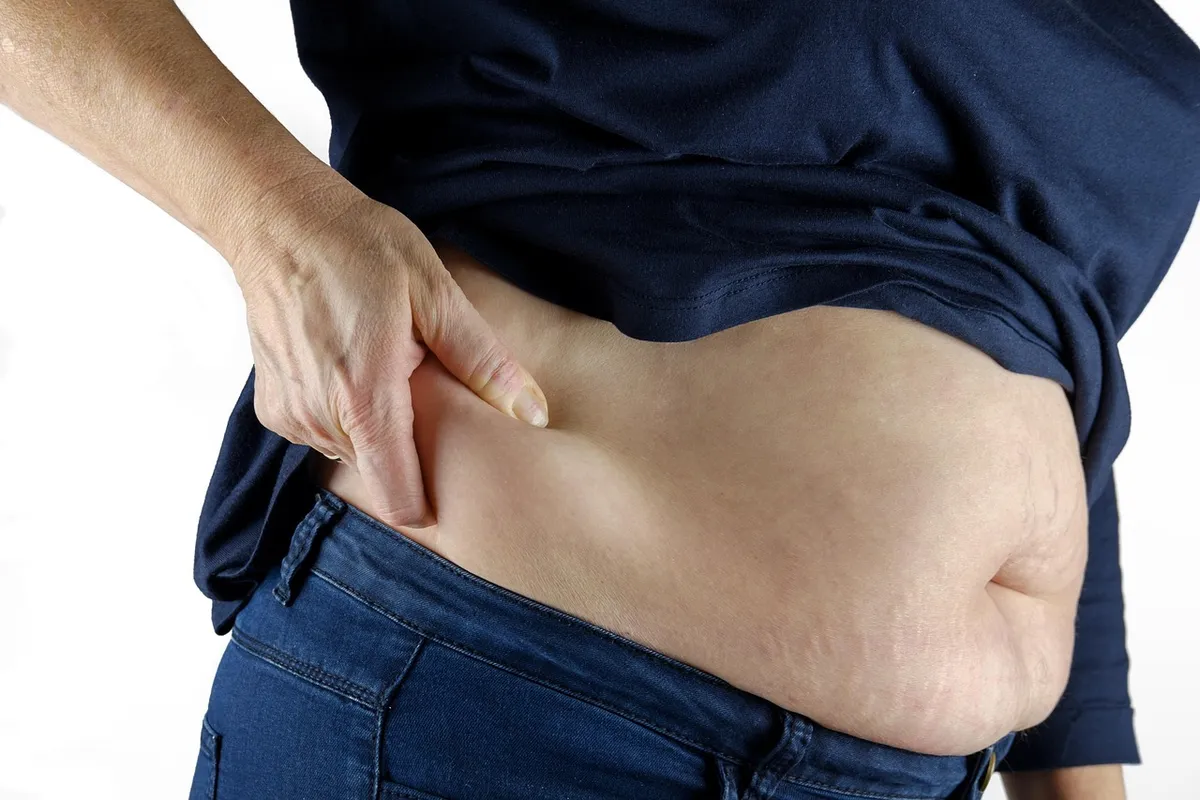
A person stands in a quiet living room, stretching their arms toward the ceiling before stepping into a brief warm-up. Starting a beginner fat loss routine requires a focus on consistency rather than immediate intensity.
It involves establishing a baseline of movement that can be sustained daily without causing injury.
Research indicates that even moderate changes over a specific period can yield results.
According to Research quarterly for exercise and sport (2022), significant changes were observed after 10 weeks in distance run on the fitness test (+189 ± 133 m), body mass index (-0.54 ± 0.72 kg/m2), and percentage body fat (-1.5 ± 1.6%).
These metrics show that structured training over several weeks can lead to measurable shifts in body composition.
Building this foundation ensures that the body adapts to physical stress. A simple weight loss workout might begin with walking or light resistance work to prepare the joints and muscles. This initial phase prepares the individual for more demanding sessions later.
What is a good intensity for a simple weight loss workout?
A person adjusts the dial on a treadmill, feeling the steady rise in their heart rate as they pick up the pace. When designing a simple weight loss workout, understanding intensity is crucial to prevent burnout.
The goal is to find a level of effort that challenges the cardiovascular system while remaining sustainable.
Intensity can vary based on the specific training method being used. For instance, medium exercise should be about 50% intensity to maintain a steady state. In contrast, different protocols might use much higher levels of effort to target specific energy systems.
Effective training often involves balancing work and rest. For example, a typical HIIT session uses a 2:1 work-to-rest ratio, such as 30–40 seconds of hard sprinting alternated with 15–20 seconds of jogging or walking. This structure helps manage the metabolic demand of the session.
How can I use HIIT for an easy fat burning plan?
A person wipes sweat from their forehead after a short, intense burst of sprinting on a track. An easy fat burning plan can incorporate High-Intensity Interval Training (HIIT) to maximize calorie expenditure in a short window.
Because these sessions use anaerobic energy systems, they are often efficient for those with limited time.
While there is no universal HIIT session duration, a HIIT workout typically lasts under 30 minutes in total. The short duration is due to the high intensity required.
Intervals of exercise effort tend to range from 20 to 45 seconds, though they generally do not exceed 75 seconds to prevent the primary shift to purely aerobic systems.
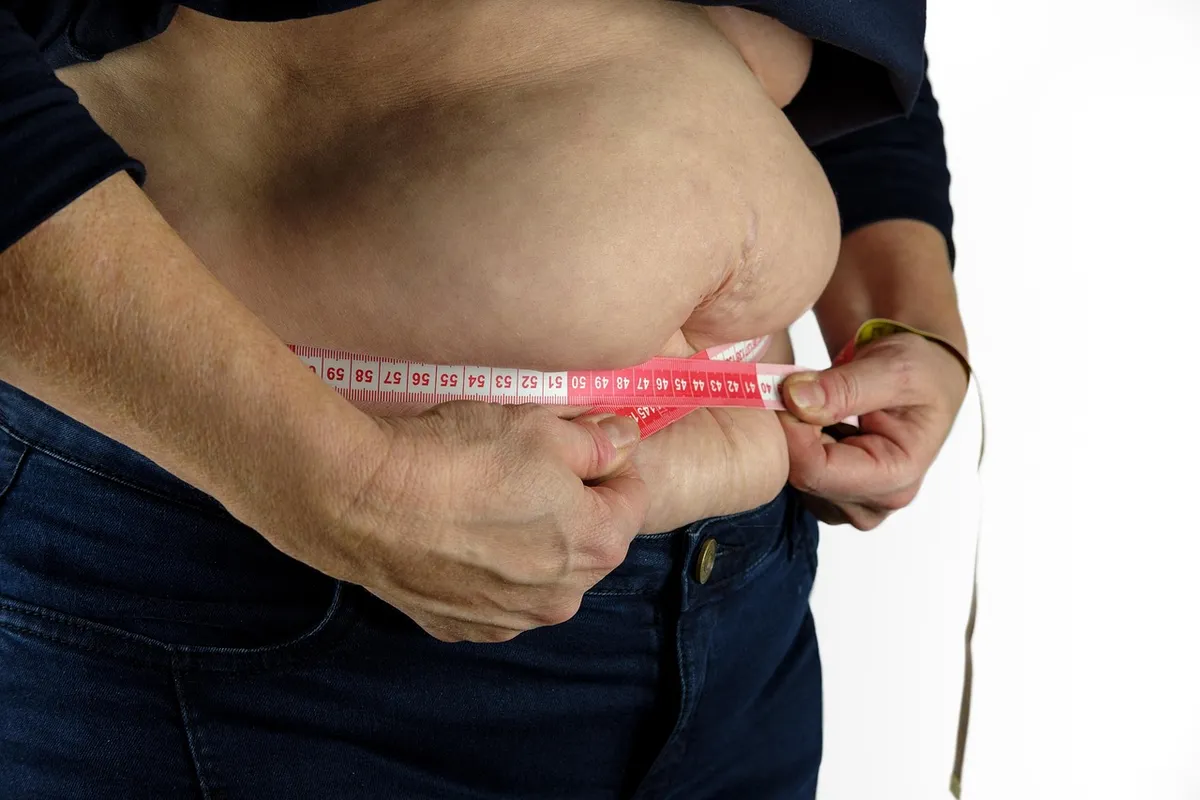
Using these short bursts can make a routine feel less daunting. The entire HIIT session may last between four and 30 minutes, making it an excellent way to maximize a workout limited by time constraints. This efficiency allows for a high-impact routine that fits into a busy lifestyle.
What are the steps for a basic fitness for beginners?
A person follows a written checklist on a clipboard, marking off completed movements after each set. Establishing basic fitness for beginners involves a structured approach to prevent overtraining. You can follow these steps to build a safe and effective routine:
- Select low-impact movements that target major muscle groups to build initial strength and stability. 2. Incorporate interval-based work, such as alternating between 20 to 45 seconds of effort and a recovery period, to challenge the heart. 3. Monitor progress through metrics like body mass index or body fat percentage to adjust the routine over time.
A final check involves ensuring that recovery is just as prioritized as the active work. If you feel excessive fatigue, you may need to adjust the intensity.
I found that checking my own energy levels after the first two weeks helped me decide whether to increase the duration or keep the intensity steady.
Can I combine different types of exercise?
A person transitions from a yoga mat to a set of dumbbells, preparing for a dual-modality session. Combining different exercise types can enhance a routine's effectiveness for various health goals. For example, one might combine cardio with resistance training to maximize calorie burning.
An alternative form of HIIT involves a 30-minute period of cardio followed by 30 minutes of full-body resistance training. This combination targets both cardiovascular endurance and muscular strength. This approach is useful for those looking to diversify their physical stimulus.
Other methods focus on different physiological benefits. For instance, a 10-session long hatha yoga training leads to improvements in balance, flexibility, and core muscle strength among healthy young women. Integrating such mobility work can prevent injury during more intense training.
How do I manage results and expectations?
A person looks at a progress chart on a wall, noting the gradual changes in their physical shape. Managing results requires understanding that progress is often slow and non-linear. It is important to look at long-term trends rather than daily fluctuations.
A limitation of any single routine is that results depend heavily on the specific individual's starting point and physiological response. For instance, the effectiveness of specific protocols, like those involving 170% VO2max, is often limited to specific athletic contexts.
| Metric | 10-Week Change (Example) |
|---|---|
| Body Mass Index | -0.54 ± 0.72 kg/m2 |
| Percentage Body Fat | -1.5 ± 1.6% |
Understanding these numbers helps put progress into perspective. While a 1.5% change in body fat might seem small, it represents a significant physiological shift over ten weeks.
Diagnostics (Basel, Switzerland) (2023) Based on the retained excerpt mentioning Diagnostics (Basel, Switzerland): The expert reader achieved higher diagnostic accuracy for both osteitis (SE 93.33%; SP: 51.85%) and fatty bone marrow deposition (SE: 65%; SP: 77.55%) than the beginner (SE: 26.67%; SP: 70.37% for osteitis; SE: 60%; SP: 44.9% for fatty bone marrow deposition).
- How do I start a beginner fat loss routine?
- What is a good intensity for a simple weight loss workout?
- How can I use HIIT for an easy fat burning plan?
The same subject is also called Start weight loss today.
This part also covers Beginner cardio and strength.
This part also covers Low impact fat loss guide.
This part also covers Daily simple exercise plan.
Beginner cardio and strength
Related






Comments 0