Fat loss tips: How to log food for 10% success
"The struggle to maintain a healthy weight is often more complex than simple caloric math, involving psychological, environmental, and physiological hurdles."
Failure in fat loss often stems from inconsistent tracking, unsustainable dietary shifts, and lifestyle-related risks like a sedentary existence. To succeed, one must focus on consistent food logging, moderate weekly exercise, and managing metabolic health through steady weight reduction.

Key takeaways: * Consistent food logging three times a day can improve clinical outcomes. * Moderate exercise of at least 150 minutes per week supports health. * A 7–10% weight loss can help prevent the progression of prediabetes.
Why fat loss fails in daily life?
A person stares at a digital scale in a quiet bathroom, feeling the frustration of a plateau despite recent efforts. Understanding why fat loss fails requires looking at how habits interact with long-term biological changes.
One major factor involves the nature of dieting attempts. According to research, about 70 percent of Americans' dieting attempts are of a self-help nature. This reliance on independent, unstructured methods can lead to inconsistency and difficulty in maintaining results over time.
Additionally, diet composition plays a role in short-term success. High protein diets have shown greater efficacy in the short term (under 12 months) for people eating ad libitum due to increased thermogenesis and satiety, however this effect tends to dissipate over time.
Relying solely on a temporary dietary shift without a long-term plan often leads to rebounding.
Dieting failure causes often manifest when people fail to account for the psychological pressures of body image. A 2007 report by the American Psychological Association found that a culture-wide sexualization of girls and women was contributing to increased female anxiety associated with body image.
This anxiety can disrupt the mental discipline required for sustainable change.
How to boost metabolism for fat loss?

At the kitchen counter during the morning, he carefully weighs ingredients to ignite the metabolic fire needed for fat loss.
A person prepares a meal, carefully weighing ingredients to ensure nutritional balance. To move beyond the frustration of a weight loss plateau, one must implement structured habits that support metabolic health.
One effective method involves regular monitoring. Research indicates that those who log their foods about three times per day and about 20 times per month are more likely to achieve clinically significant weight loss.
This habit provides the data necessary to adjust intake and understand caloric density.
Another approach involves managing the body's physiological response to food.
Weight loss is the main treatment for obesity, and there is substantial evidence this can prevent progression from prediabetes to type 2 diabetes with a 7–10% weight loss and manage cardiometabolic health for diabetic people with a 5–15% weight loss.
Weight loss plateaus why? They often occur because the body adapts to caloric deficits or because lifestyle changes are not maintained. If a person is stuck on fat loss, they may need to reassess their total activity levels or caloric distribution.
What are the best exercises to burn fat? An individual laces up running shoes and steps out into the cool morning air to begin a workout. Integrating physical activity is essential to counteract the risks associated with inactivity.
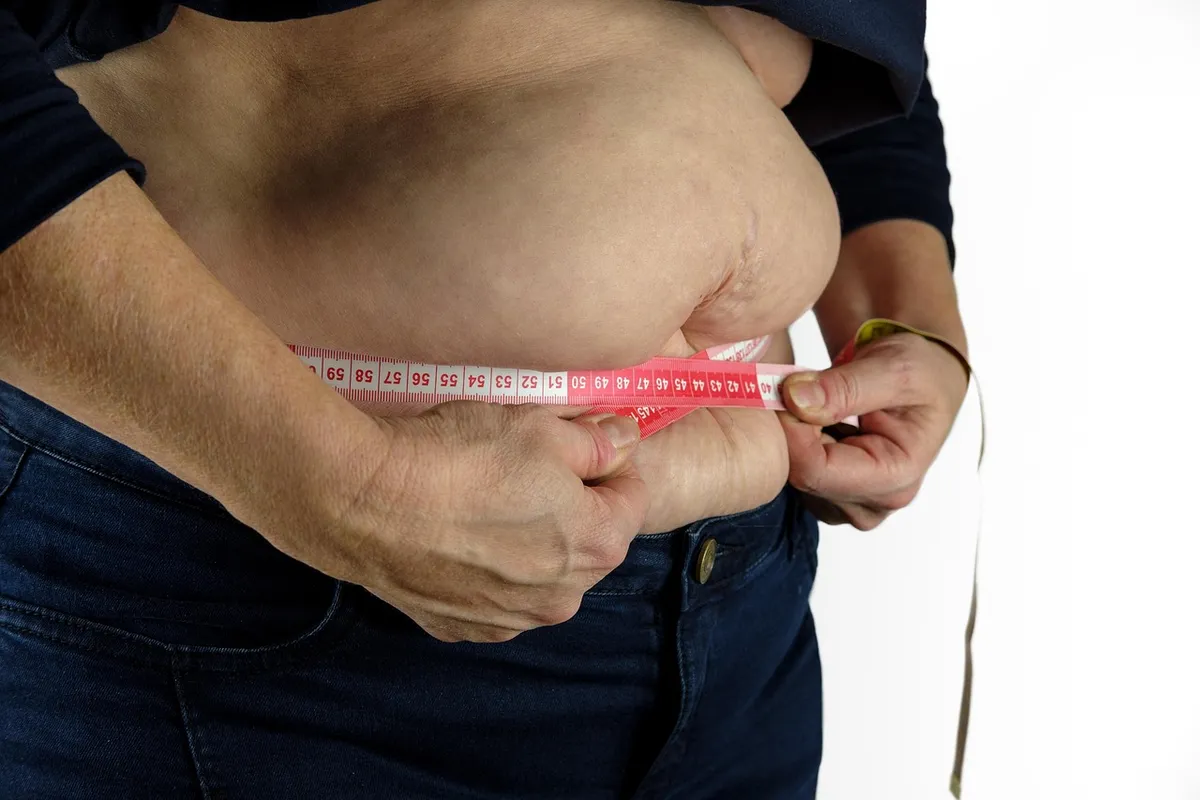
According to the European journal of translational myology, a sedentary lifestyle increases the risk of obesity and consequently the predisposition to diabetes II.
A sedentary lifestyle increases the risk of obesity and consequently the predisposition to diabetes II. To mitigate this, consistent movement is required. The standard recommendation includes at least 150 minutes (2 hours and 30 minutes) of moderate exercise per week.
Regular movement helps regulate insulin sensitivity and caloric expenditure. Without this baseline of activity, even strict dietary control may struggle to overcome the metabolic shifts caused by inactivity.
How can I manage my weight sustainably? A person sits at a kitchen table with a notebook, planning the upcoming week of meals and activities. Achieving a healthy weight requires a structured approach to prevent the cycle of failure.
- Implement a regular food logging routine. Aim to record meals approximately three times per day to maintain awareness of intake. 2. Incorporate moderate physical activity. Ensure you meet the minimum threshold of 150 minutes of moderate exercise per week. 3. Monitor weight changes for medical context. It is generally regarded as a medical problem when at least 10% of a person's body weight has been lost in six months or 5% in the last month.
I found that tracking my own meals three times a day helped me see where hidden calories were coming from. This level of detail is necessary to distinguish between actual progress and mere fluctuations.

A limitation of these steps is that they may not account for individual medical requirements, such as those requiring bariatric surgery or specific clinical interventions.
Comparison of Weight Loss Goals
| Goal Type | Targeted Weight Loss Percentage | Primary Health Benefit |
|---|---|---|
| Prediabetes Prevention | 7–10% | Prevent progression to type 2 diabetes |
| Diabetic Management | 5–15% | Manage cardiometabolic health |
The same subject is also called Body fat reduction issues.
This part also covers Healthy eating for weight loss.
This part also covers Exercise for fat burning.
Related
- How do we define the traditional target for fat intake?
- 80g meal nutrition balance: Why whole grains provide satiety
How does psychological stress affect the struggle to maintain weight? 1. Anxiety related to body image can interfere with the mental discipline required for sustainable change. 2. This disruption occurs because the culture-wide sexualization of women contributes to increased female anxiety regarding body image. 3. The struggle to maintain a healthy weight is therefore complicated by these external psychological pressures.
When should professional medical help be sought? 1. A medical problem is generally indicated when a person loses at least 10% of their body weight over six months. 2. Alternatively, a significant change is suggested if 5% of body weight is lost within the last month. 3. These criteria suggest a need to move beyond self-management when the struggle to maintain weight becomes extreme.
The consistent food logging procedure helps individuals see the source of hidden calories, which is crucial for distinguishing between actual progress and minor fluctuations. This level of detail supports the goal to maintain a healthy weight.
Moderate exercise supports overall health, and the standard recommendation suggests at least 150 minutes of moderate activity weekly. This activity helps regulate insulin sensitivity and improves caloric expenditure.
Diet composition influences short-term success, where high protein intake shows greater efficacy initially due to increased satiety and thermogenesis.
Disclaimer: This article is general information, not medical advice. Consult a qualified healthcare professional before taking any supplement or medication.







Comments 0