Fat loss workout routine design: Tips for 2.5 hours exercise
"A healthy lifestyle begins with a plan that balances intensity with recovery to ensure long-term success."
Designing a fat loss workout routine requires a strategic balance of aerobic activity, resistance training, and adequate recovery to manage body composition effectively. This guide covers how to structure exercise timing, intensity, and recovery to achieve sustainable results.
Key takeaways include prioritizing a mix of aerobic and resistance training, ensuring sufficient recovery time, and aiming for specific weekly exercise durations to mitigate health risks.
How to structure a fat loss workout routine?

At dawn in the empty gym, I grip the cold steel barbell and prepare for the heavy effort of my fat loss routine.
A person stands in a quiet gym, adjusting the weights on a barbell before starting a session. To build an effective fat loss workout routine, one must consider the interplay between different types of physical activity.
According to a study published in PloS one in 2025, combining aerobic and resistance training (A+R) confers broader improvements in HbA1c, fat reduction, and quality of life compared to other methods.
While HIIT yielded greater benefits for fasting glucose and muscle mass, the combined approach offers more comprehensive outcomes for body composition. This combination ensures that metabolic health and fat reduction are addressed simultaneously.
- Incorporate resistance training to preserve lean muscle mass.
- Add moderate-intensity cardiovascular sessions to increase caloric expenditure.
- Include flexibility work to maintain joint health and mobility.
What is the best diet exercise plan for weekly goals?

An individual checks their fitness tracker while walking briskly through a local park. When determining the best diet exercise plan, understanding the required volume of movement is essential for long-term health.
For reducing the risk of health issues, 2.5 hours of moderate-intensity aerobic exercise per week is recommended. Even smaller amounts of activity are beneficial; doing an hour and a quarter of exercise per week can reduce the risk of early death, cardiovascular disease, stroke, and cancer.
These benchmarks provide a baseline for maintaining metabolic health while pursuing body composition goals.
| Exercise Type | Primary Benefit Focus |
|---|---|
| HIIT | Fasting glucose and muscle mass |
| A+R (Aerobic + Resistance) | HbA1c, fat reduction, and quality of life |
I found that adjusting these weekly totals helped me balance intensity with consistency.
Focus on a consistent caloric deficit paired with regular physical activity to ensure steady progress toward your targets.
How to manage a weight loss routine guide for recovery?

A runner sits on a bench, catching their breath after a vigorous outdoor run. A proper weight loss routine guide must include strategic rest to prevent injury and overtraining.
Allowing 24 hours of recovery between aerobic and strength exercise leads to greater fitness. This separation allows the body to repair tissues and replenish energy stores.
Without this window, the body may struggle to adapt to the physical stressors of the routine, potentially stalling progress in fat reduction.
Prioritize sleep quality and active recovery days to prevent burnout and allow muscle tissues to repair.
What are the metabolism boosting exercise tips?
A person prepares a healthy meal, thinking about the energy needed for an upcoming workout. Integrating metabolism boosting exercise tips involves understanding how the body uses fuel during activity.
During aerobic exercise, amino acids can be used as a fuel source, though this occurs in moderate proportions, around 3% of the total energy expenditure during exercise. Managing energy expenditure is vital for maintaining a caloric deficit while supporting muscle preservation.
Using different energy pathways effectively helps in sustaining energy levels during longer sessions.
Focus on heavy compound lifts and high-intensity interval training to keep your metabolic rate elevated after your workout.
How to achieve sustainable weight loss habits?
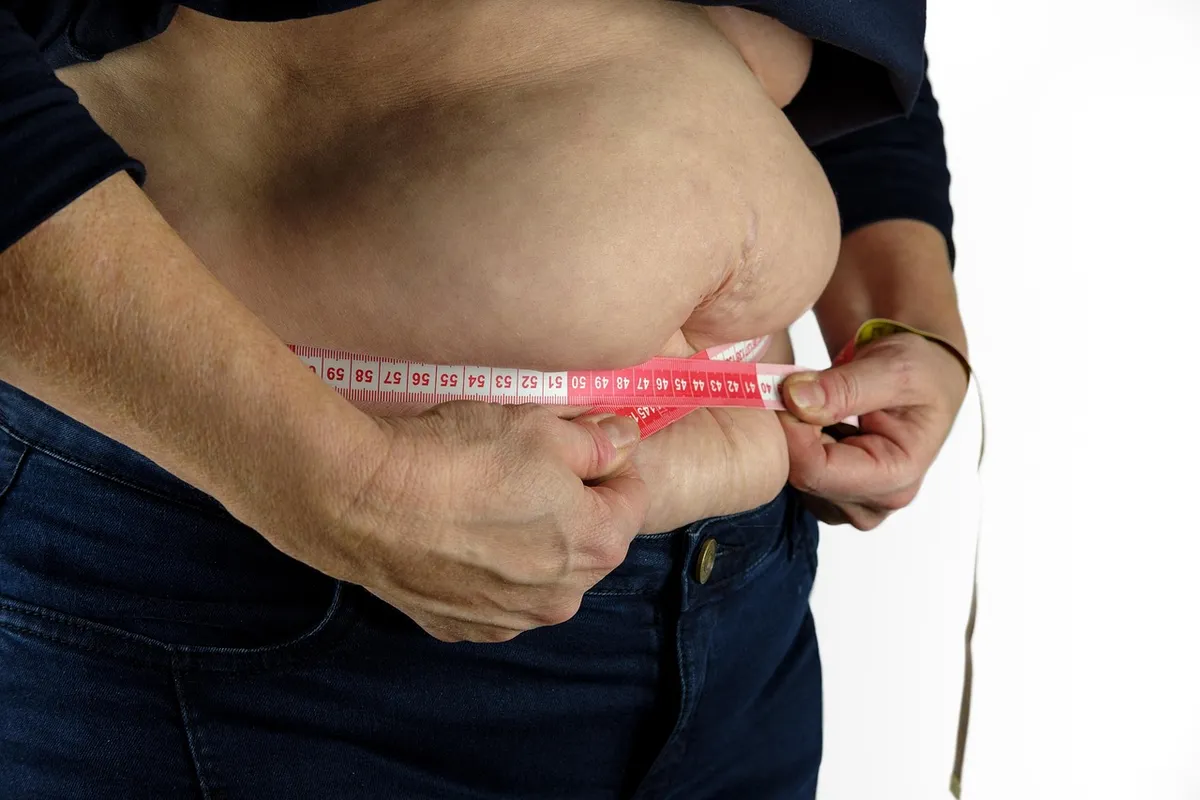
A person looks in a mirror, checking their posture after a successful training session. Developing sustainable weight loss habits requires monitoring physical indicators of health beyond just scale weight.
According to the National Institute, new guidelines announced in September 2022 suggested that all adults "ensure their waist size is less than half their height in order to help stave off serious health problems".
According to the BMJ (Clinical research ed.), the overall incidence of falls in the LiFE programme was 1.66 per person years, compared with 1.90 in the structured programme and 2.28 in the control group.
In September 2022, the UK's National Institute for Health and Care Excellence suggested that all adults ensure their waist size is less than half their height to help stave off serious health problems. This metric serves as a practical tool for monitoring abdominal fat.

Keeping a focus on these health-centric goals helps maintain motivation throughout the journey.
A healthy routine should follow these steps:
- Determine a weekly baseline of moderate-intensity aerobic exercise. 2. Incorporate resistance training to complement aerobic work. 3. Schedule 24-hour recovery periods between different types of intensive training. 4. Monitor waist-to-height ratios to track health-related progress.
A limitation of these guidelines is that they provide general recommendations that may need adjustment based on individual health status or existing medical conditions.
Build a lifestyle centered on whole foods and consistent movement rather than relying on temporary, restrictive measures.
Related
- Best fat loss workout plan: 30 minutes exercise tips guide
- Post workout fat loss science: Guide to 30 minutes exercise
When should intensity and recovery be prioritized in a healthy lifestyle? The prioritization of intensity and recovery is crucial for achieving a healthy lifestyle because the body needs time to adapt to physical stress. Allowing 24 hours of recovery between aerobic and strength exercise promotes greater fitness adaptation. This necessary separation permits the body to repair damaged tissues and fully replenish its energy reserves. Without this recovery window, the body might fail to adapt to the routine's physical demands, which could impede fat reduction progress.
Vary your training volume so that high-intensity sessions are balanced with adequate rest periods to prevent injury.
How does exercise intensity relate to metabolic health? Aerobic exercise facilitates the use of amino acids as a fuel source, although this utilization remains in moderate proportions, specifically around 3% of the total energy burned during the activity. Managing this energy expenditure is essential for maintaining the caloric deficit necessary while simultaneously supporting the preservation of muscle mass. Employing various energy pathways effectively assists in sustaining energy levels throughout extended training periods.
The combination of aerobic and resistance training provides comprehensive benefits for body composition, addressing both metabolic health and fat reduction at the same time. This combined approach offers broader improvements in quality of life alongside reductions in HbA1c.
Prioritizing this mix ensures a more holistic approach to a healthy lifestyle.
A person reviews their weekly schedule, ensuring that the planned activities allow for adequate rest. The benchmarks for activity, such as 2.5 hours of moderate-intensity aerobic exercise weekly, establish a foundation for maintaining metabolic health.
These guidelines offer a starting point for individuals aiming for body composition goals. This structured approach supports a sustainable healthy lifestyle.








Comments 0