Protein for weight loss diet: How to manage appetite
"A high protein diet relative to a low-fat or high-carbohydrate diet may increase thermogenesis and decrease appetite leading to weight reduction, particularly 3-6 months into a diet when rapid weight loss is observed."
Protein for weight loss diet strategies often center on satiety and metabolic shifts. For those seeking to manage body mass, understanding how to balance these nutrients is essential for long-term success.
This guide explores protein intake targets, the role of protein in appetite control, and the limitations of short-term dieting. 1. High protein intake can help manage appetite and thermogenesis. 2. Athletic needs require specific protein targets, often between 1.2 and 1.8 g/kg. 3. Weight loss advantages may diminish during the long-term maintenance phase. * A single dietary factor cannot overcome the complexities of gradual weight regain.
How does protein for weight loss diet success work?
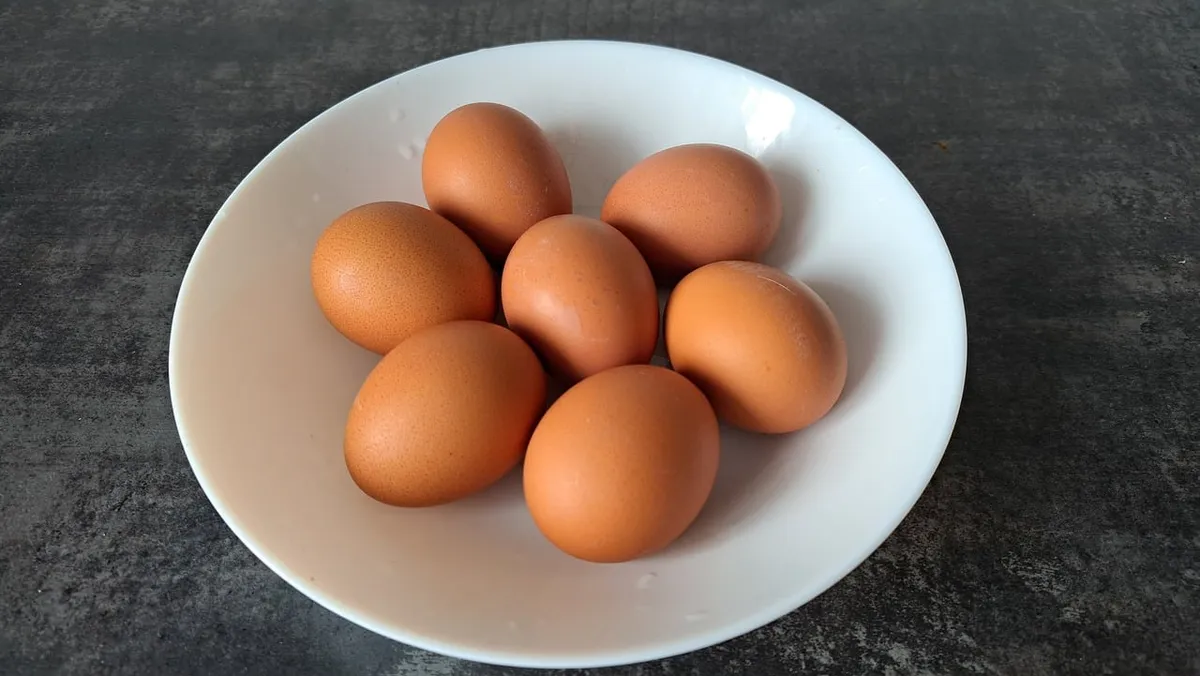
In the quiet kitchen at dawn, I swallow a mouthful of greek yogurt, feeling the cold protein soothe my hunger.
A person stands in a kitchen, weighing lean meat on a digital scale while preparing a meal. They focus on the protein content to ensure they meet their daily requirements.
A high protein diet relative to a low-fat or high-carbohydrate diet may increase thermogenesis and decrease appetite leading to weight reduction, particularly 3-6 months into a diet when rapid weight loss is observed.
This effect occurs because protein can influence how the body burns energy and how hungry a person feels. However, these advantages may be reduced later at 12–24 months into a diet during the slow weight loss phase.
- Prioritize high-protein meals to increase satiety. 2. Monitor portion sizes to manage total caloric intake. 3. Incorporate protein throughout the day to prevent muscle loss.
How much protein do I actually need as an athlete?
At the gym after training, I grip a cold shaker bottle and swallow a thick protein shake to soothe my aching muscles. An athlete finishes a heavy training session and reaches for a recovery shake to replenish lost nutrients. They calculate the exact grams needed based on their current body mass.
According to Sports medicine (Auckland, N.Z.), higher protein intakes of 2-2.5 g/kg/day seem to be warranted during immobilization.
According to the International Olympic Committee, protein intake targets for both strength and endurance athletes are recommended at about 1.2–1.8 g/kg body mass per day.
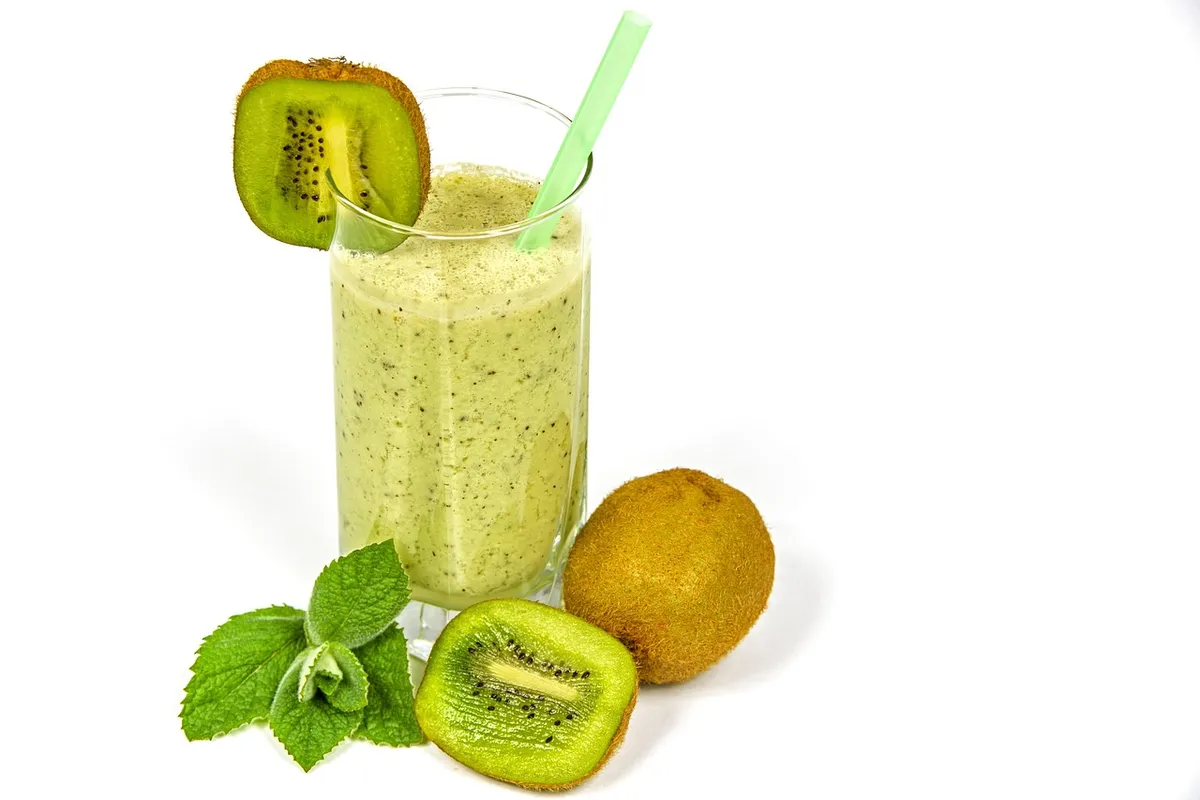
The International Olympic Committee recommends protein intake targets for both strength and endurance athletes at about 1.2–1.8 g/kg body mass per day. This specific range helps support muscle maintenance during intense training.
For individuals facing immobilization, higher protein intakes of 2-2.5 g/kg/day seem to be warranted.
In this order, the second step is the most detailed.
How do protein intake for slimming strategies differ from maintenance?
In the dim kitchen light, I weigh a small portion of meat and feel the heavy weight of the protein on the scale.
A person looks at their reflection in a gym mirror, noting the changes in body composition after months of consistent effort. They adjust their macros to transition from a cutting phase to a maintenance phase.
Weight loss through diet is often a shifting target. While a high protein diet helps during the initial stages of weight reduction, the benefits may taper off during the slower phases of weight loss.
For example, a meta-analysis of six randomized controlled trials found no difference between low-calorie, low-carbohydrate, and low-fat diets in terms of short-term weight loss, with a 2–4 kilogram weight loss over 12–18 months in all studies.
How will protein intake affect my long-term health? A person prepares a Mediterranean-style salad with chickpeas and grilled fish, focusing on variety and fiber. They consider how these food choices impact their long-term wellness.
According to current osteoporosis reports, other dietary factors associated with reduced fracture risk include at least 5 servings per day of fruits and vegetables, regular tea drinking, adherence to a Mediterranean diet and other dietary patterns which provide fibers, polyphenols and fermented dairy products.
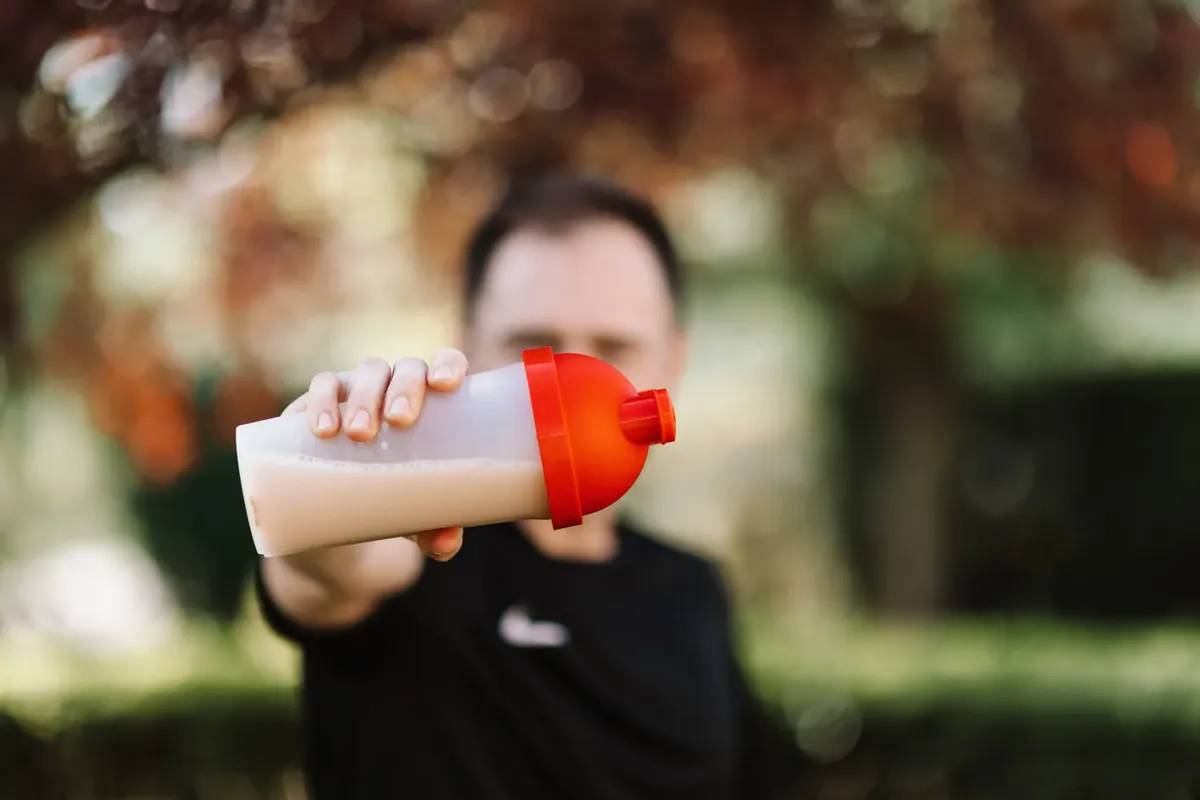
Beyond immediate weight management, dietary patterns influence overall health.
Other dietary factors associated with reduced fracture risk include at least 5 servings per day of fruits and vegetables, regular tea drinking, adherence to a Mediterranean diet and other dietary patterns which provide fibers, polyphenols and fermented dairy products.
This holistic approach ensures that weight loss does not come at the expense of bone health or micronutrient density.
How can balancing nutrients for diet needs be managed?
A person reviews a weekly meal plan, ensuring they have enough protein to preserve lean mass while maintaining a calorie deficit. They check their progress against their original goals.
Managing weight requires a delicate balance of energy and macronutrients.
A 2001 meta-analysis of 29 American studies found that participants of structured weight-loss programs maintained an average of 23% (3 kg) of their initial weight loss after five years, representing a sustained 3.2% reduction in body mass.
This indicates that even with successful protein-focused dieting, maintaining results is a long-term challenge.
Is there a limit to protein intake?
A person checks their kidney function results during a routine medical checkup, wondering if their high-protein diet is safe. They consider the scientific consensus on maximum intake levels.
While protein is vital, there are upper limits to consider. One review proposed a maximum daily protein intake of approximately 25% of energy requirements, i.e., approximately 2.0 to 2.5 g/kg.
It is important to note that patients are generally unhappy with weight loss of <10%, and reductions even as high as 10% are insufficient for changing someone with an "obese" BMI to a "normal weight" BMI.
| Condition | Recommended Protein Intake |
|---|---|
| Strength/Endurance Athletes | 1.2–1.8 g/kg body mass |
| During Immobilization | 2-2.5 g/kg/day |
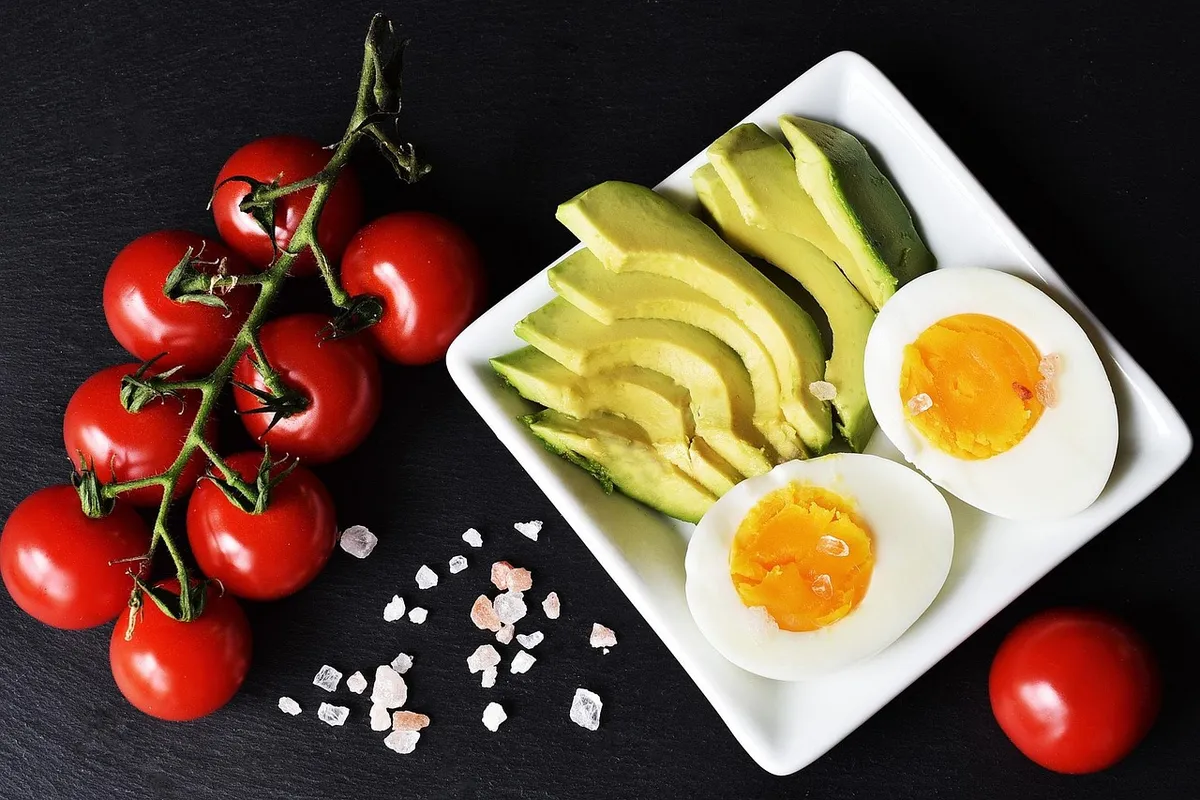
I noticed during my own meal prep that hitting these specific targets requires significant planning.
A limitation to these dietary strategies is that even with high-intensity, comprehensive lifestyle interventions, gradual weight regain of 1–2 kg/year still occurs.
The Journal of nutrition (2018) Based on the retained excerpt mentioning The Journal of Nutrition: We conducted a systematic review and meta-analysis of trials comparing HP (≥1.5 g/kg body weight or ≥20% energy intake or ≥100 g protein/d) with normal- or lower-protein (NLP; ≥5% less energy intake from protein/d compared with HP group) intakes on kidney function.
Related
- Fat loss diet exercise balance: Why movement supports health
- Mediterranean diet fat loss: Tips for healthy eating
When does the high protein advantage peak? It is observed that the benefits of a high protein diet are most pronounced during the initial phase of weight loss. This period, spanning three to six months, is when the diet typically yields rapid weight reduction. After this initial rapid decline, the metabolic advantages associated with the high protein intake tend to lessen.
What are the risks of over-relying on high protein? While high protein intake supports muscle preservation, excessive consumption requires consideration of bodily functions. A review suggested a maximum daily protein intake, which limits how high the protein level should climb. This caution relates to the body's ability to process the high protein load safely.
When planning a diet, one must compare the initial high protein benefits against the eventual maintenance phase. The initial rapid weight loss seen with high protein does not guarantee sustained success.
Maintaining a high protein intake throughout the entire weight loss journey presents a different challenge than achieving the initial reduction.



Comments 0