US vegetarian population trend: 8 tips for careful planning
"The shift toward plant-based eating is no longer just a personal preference; it is an intersection of health, ethics, and global environmental strategy."
The US vegetarian population trend is driven by a complex mix of nutritional science, legal recognition, and environmental necessity. This analysis explores how dietary shifts in US and global markets are occurring through the lens of health optimization and sustainability.

Key takeaways: * Nutritional adequacy requires careful planning and B12 supplementation. * Environmental mitigation is a key driver for plant-exclusive diets. * Legal frameworks in different regions have begun recognizing ethical dietary choices.
Why are dietary shifts in US and global markets occurring?
At sunset in the crowded supermarket, she traces the labels of plant-based milks while pondering the global shift toward a vegetarian lifestyle.
A person stands in a grocery aisle, comparing the nutritional labels of various plant-based milk alternatives. This routine action reflects a much larger movement toward plant-based eating trends seen in modern supermarkets.
The motivation behind these changes often stems from environmental concerns. According to the IPCC, a summary released on 8 August 2019 asserted that a shift towards plant-exclusive diets would help to mitigate and adapt to climate change.
This suggests that individual food choices are becoming part of a collective response to global climate shifts.

The movement is also shaped by evolving health standards. Veganism in America now involves navigating complex nutritional needs to maintain wellness. This shift moves beyond simple avoidance of animal products to a proactive pursuit of health.
How does health impact veganism growth US? US vegetarian population trend
In her bright kitchen, she meticulously chops vegetables to ensure her vegetarian meal meets her wellness goals.
A health enthusiast prepares a meal, carefully measuring ingredients to ensure a balanced intake of micronutrients. This meticulousness is essential when considering the long-term effects of restrictive diets.
Maintaining health on a plant-only diet requires specific attention to detail. As of 2024, the German Society for Nutrition (DGE) holds that for healthy adults a vegan diet can be healthful, when B12 is supplemented and the diet is well-planned so that critical nutrients are provided.

Without such planning, nutritional deficiencies can arise.
The future of US diets may increasingly focus on these precision-based nutritional strategies. People are looking for ways to satisfy hunger while meeting specific physiological needs. This intersection of lifestyle and science defines the current era of eating.
What role does ethics play in dietary choices?
An individual makes a conscious decision at a restaurant, choosing a meal that aligns with their personal values. This moment of choice represents the intersection of personal belief and public consumption.
In some regions, these choices have moved into the realm of legal recognition. This follows earlier analyses that ethical veganism became protected under the Ontario Human Rights Code, following a 2015 update to legal guidance by the Ontario Human Rights Commission.
Such legal precedents highlight how dietary choices can be viewed as protected personal identities.
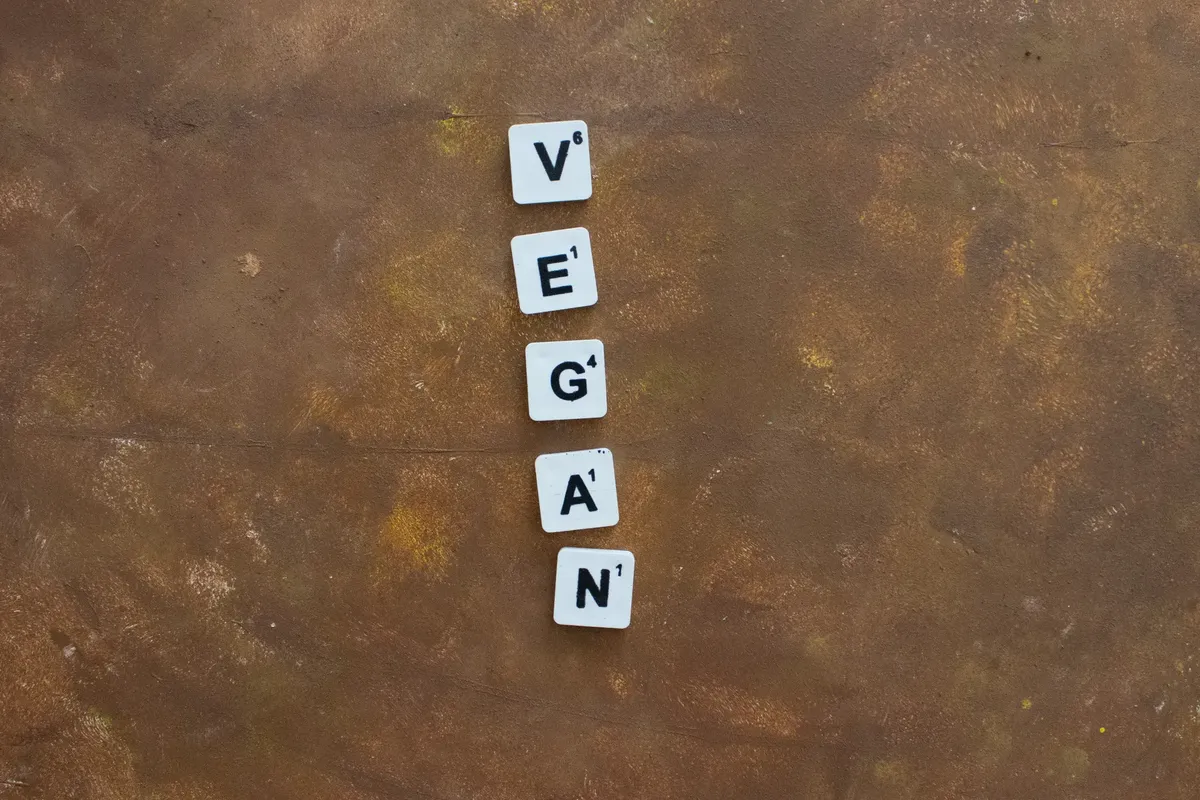
Understanding the future of US diets requires acknowledging these ethical dimensions. As social values evolve, the way food is produced and consumed undergoes constant scrutiny. This creates a feedback loop between consumer demand and industry response.
How can one manage a plant-based lifestyle?
A person sits at a kitchen table, organizing vitamins and fortified foods for the week ahead. This organized approach is a practical response to the requirements of a plant-based lifestyle.
To manage a well-planned diet, follow these steps: 1. Prioritize nutrient-dense whole foods to ensure a broad spectrum of vitamins and minerals. 2. Incorporate B12 supplementation as a necessary measure for long-term health. 3.
Regularly review dietary intake to ensure all critical nutrients are being provided.
I found that checking supplement labels against nutritional requirements was the most vital part of my own meal planning. This ensures that the transition to new eating habits remains sustainable for the body.

A limitation of these dietary shifts is that they require significant nutritional literacy to avoid health risks.
- Why are dietary shifts in US and global markets occurring?
- How does health impact veganism growth US?
- What role does ethics play in dietary choices?
The subject here is US vegetarian population trend.
The same subject is also called Vegetarianism in America now.
This part also covers Why people choose vegan.
This part also covers Health and plant food.
Related
- Nutrition crisis: Women's diet in nutrition crisis guide
- Plant diet disease prevention: Guide to plant-based eating
What are the risks of nutritional deficiency?
Nutritional deficiencies can arise if a person does not follow a well-planned diet. This condition requires specific attention to detail to ensure that critical nutrients are provided to the body.
To mitigate these risks, one must consider the following: 1. Ensure B12 is supplemented to meet specific physiological needs. 2. Plan the diet carefully to provide a broad spectrum of vitamins and minerals. 3. Monitor intake to avoid the health risks associated with low nutritional literacy.
Failure to maintain such a shift toward careful planning can lead to health issues. This comparison between a planned diet and an unplanned one highlights the necessity of nutritional literacy.
How does environmental strategy influence food choices?
Environmental strategy influences food choices by framing dietary shifts as a collective response to climate change. This connection suggests that individual decisions are part of a larger effort to mitigate global shifts.
When comparing different dietary paths, the environmental impact serves as a key driver. A shift toward plant-exclusive diets is viewed as a method to help the planet adapt to climate change. This condition makes environmental mitigation a central part of the modern movement.







Comments 0