Nutrition crisis: Women's diet in nutrition crisis guide
"Strong men and women are not products of improper food."
Addressing a global nutrition crisis requires understanding how food availability and price fluctuations impact health. This guide explores managing diet during food scarcity, preventing malnutrition in women, and sustainable eating for global women through strategic planning.
How do global nutrition trends affect women's diet in nutrition crisis?

A woman stands in a crowded marketplace, weighing the cost of fresh produce against a tightening budget. Understanding the scale of global hunger helps contextualize the immediate need for stable nutrition.
According to FAO, 868 million people (12% of the global population) were undernourished in 2012. This massive figure highlights the systemic challenges of food security that influence dietary choices for billions.
Successful management of a women's diet in nutrition crisis involves recognizing these large-scale shifts in food accessibility. These historical trends shape how families prioritize caloric intake and essential nutrients.
In this sequence, the first point is the most critical.
What are the risks of nutrient imbalance for women?
In the dim kitchen, she stares at the meager portion on her plate, feeling the hollow ache of poor nutrition.
A caregiver looks at a small bowl of porridge, knowing the nutritional requirements of her growing children. Nutrient imbalance for women often stems from broader societal pressures and limited access to diverse food groups.
The history of eating shows that identity and health are deeply linked to food quality. According to the Journal for the Study of Food and Society, "Strong men and women are not products of improper food," suggesting that quality is as vital as quantity.

Addressing nutrient imbalance for women requires a focus on nutrient-dense foods that can be sustained during economic shifts. This ensures that physiological needs are met even when resources are limited.
How can we manage diet during food scarcity?
At the dim kitchen table, her hands tremble as she carefully divides the last scraps of bread to manage her family's nutrition.
A family sits around a table, carefully dividing a single loaf of bread among several members. Managing diet during food scarcity requires careful planning to maximize the nutritional value of available ingredients.
Economic shifts directly impact health outcomes, particularly for the most vulnerable. A 10% increase in food prices is associated with a 2.7% to 4.3% rise in overall wasting and a 4.8 to 6.1 percent increase in severe wasting among children under five years of age.
I remember observing how price hikes often force families to switch to less nutritious, calorie-heavy staples. To combat this, one must prioritize foods that provide high micronutrient density per unit of cost.
- Prioritize calorie-dense whole foods.
- Focus on versatile ingredients that can be used in multiple ways.
- Rotate available food sources to maximize nutrient intake.
What are the steps for preventing malnutrition in women?
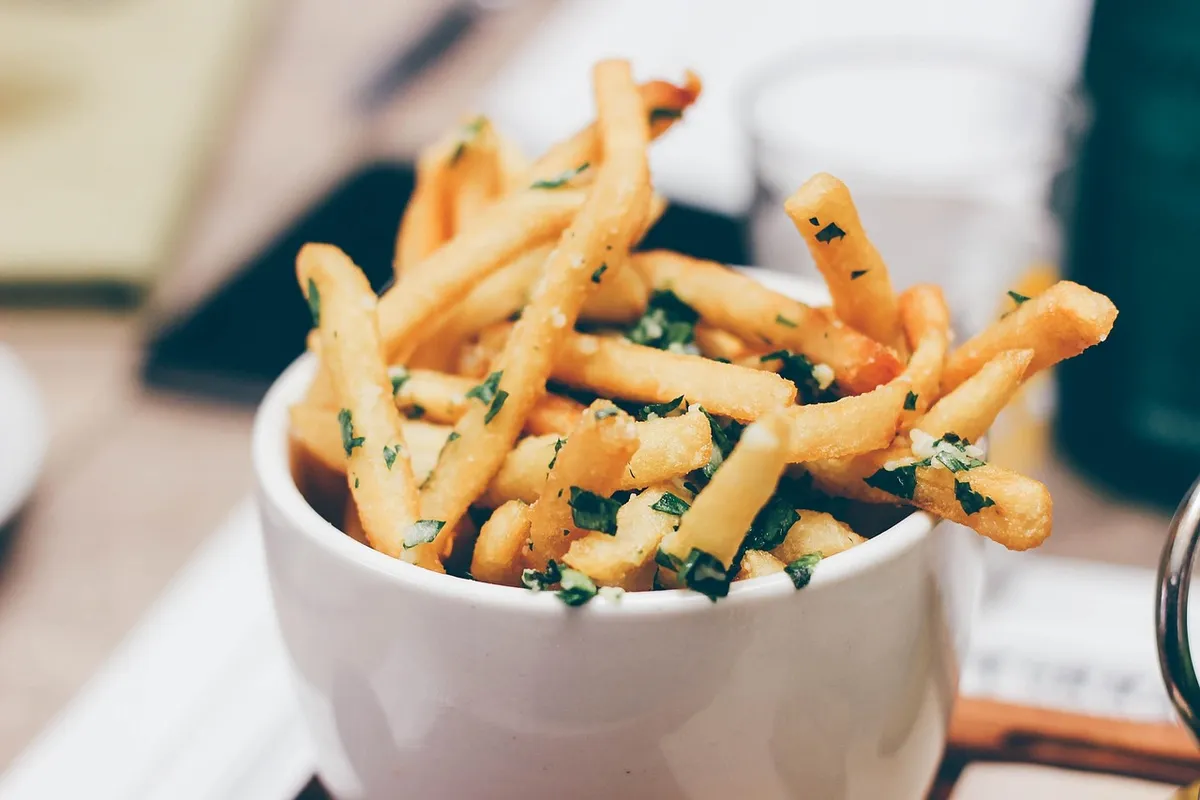
A woman prepares a meal using dried legumes and grains, focusing on shelf-stable nutrition. Preventing malnutrition in women involves creating a resilient eating pattern that can withstand supply chain disruptions.
To build a stable nutritional foundation, follow these three steps:
- Prioritize nutrient-dense staples that provide essential vitamins and minerals. 2. Incorporate diverse protein sources to maintain muscle mass and metabolic health. 3. Plan meals around seasonal availability to reduce costs and increase freshness.
After completing these steps, check if the dietary plan provides enough energy to meet daily physical demands. This ensures that the focus remains on long-term health rather than just immediate satiety.
How can we ensure sustainable eating for global women?
A person checks the labels on a carton of milk, wondering if the date is truly an expiration. Sustainable eating for global women involves reducing waste and optimizing the use of every purchased ingredient.
Food waste is a significant factor in the global hunger equation.
In 2013, the nonprofit Natural Resources Defense Council (NRDC) performed research that suggests that the leading cause of food waste in America is due to uncertainty over food expiration dates, such as confusion in deciphering best-before, sell-by, or use-by dates.
| Factor | Impact on Health/Wasting |
|---|---|
| 10% Price Increase | 2.7% to 4.3% rise in overall wasting |
| 10% Price Increase | 4.8% to 6.1% increase in severe wasting (children <5) |
Managing these resources effectively helps stabilize the food supply for the household. This approach minimizes loss and ensures that more food reaches the plate.
Wikipedia: Human nutrition Based on the retained excerpt mentioning UNICEF: According to UNICEF 146 million children across the globe, that one out of four under the age of five, are underweight.
Related
- Plant diet disease prevention: Guide to plant-based eating
- How does demographic data reflect food access?
What are the conditions that challenge strong women's dietary choices? 1. Economic shifts directly influence the ability of strong women to access varied food sources. 2. Limited access to diverse food groups contributes to nutrient imbalance for strong women. 3. Global hunger statistics illustrate the systemic hurdles affecting dietary stability for strong women.
These challenges mean that the choice of food often becomes a trade-off between immediate caloric need and long-term nutritional quality for strong women. The pressure to maintain a budget forces difficult decisions regarding food procurement.
According to the Natural Resources Defense Council, research conducted in 2013 suggests that the leading cause of food waste in America is due to uncertainty over food expiration dates, such as confusion in deciphering best-before, sell-by, or use-by dates.
How does food waste relate to the health of strong women? Food waste represents a loss of valuable resources that could otherwise support the nutritional needs of strong women. When food is wasted, the potential for meeting essential nutrient requirements diminishes.
Understanding the confusion surrounding food expiration dates is key to minimizing waste, which directly supports the sustained health of strong women. This awareness allows for better resource management within the household setting.
How does nutritional density compare to caloric intake in scarcity? Nutrient-dense foods offer a higher concentration of essential vitamins and minerals relative to their calorie count. This comparison is crucial when managing diet during food scarcity, as it allows strong women to maximize health benefits from limited resources. Prioritizing these items ensures that physiological needs are met even when total caloric intake is restricted.
What cautionary steps should strong women take regarding food purchasing? Strong women should exercise caution when interpreting food labels to prevent unnecessary waste. Confusion over best-before, sell-by, or use-by dates can lead to discarding edible food. This awareness supports the goal of sustainable eating by ensuring every purchased ingredient contributes to the household's nutritional needs.
These careful purchasing habits directly complement the strategy of incorporating diverse protein sources. By minimizing spoilage, the household maintains a more reliable supply of necessary building blocks for health.
The systemic hurdles affecting dietary stability for strong women are often exacerbated by unpredictable food availability. Recognizing these large-scale shifts in food accessibility allows for proactive dietary planning rather than reactive crisis management.






Comments 0