Plant based diet health benefits why choose plant sources
"Plant-based diets constitute a diverse range of dietary patterns that emphasize foods derived from plant sources coupled with lower consumption or exclusion of animal products."
A plant based diet health benefits profile often involves shifting focus toward whole grains, legumes, and produce to improve long-term wellness. This guide explores how these dietary patterns function, compares different dietary structures, and provides practical steps for transition.

While benefits are significant, one limitation is that the term can be used interchangeably with veganism in clinical trials, which may obscure specific dietary nuances.
What exactly are the health benefits of a plant-based diet? A person stands in a bright kitchen, reaching for a bag of lentils instead of a package of processed meat. This fundamental shift defines the core of a plant based diet health benefits strategy.
According to the International Organization, the International Organization for Standardization drafted ISO 8700 on "Plant-based foods and food ingredients - Definitions and technical criteria for labelling and claims" in 2024.
According to the World Health Organization (WHO), these diets represent a broad spectrum of eating patterns that prioritize plant-derived foods while reducing or entirely removing animal products. This diversity allows for various approaches, ranging from flexitarian to vegan lifestyles.
The flexibility of these patterns means that individuals can tailor their intake based on personal needs. Some may include small amounts of animal products, while others choose total exclusion. This versatility is a key aspect of the dietary definition.
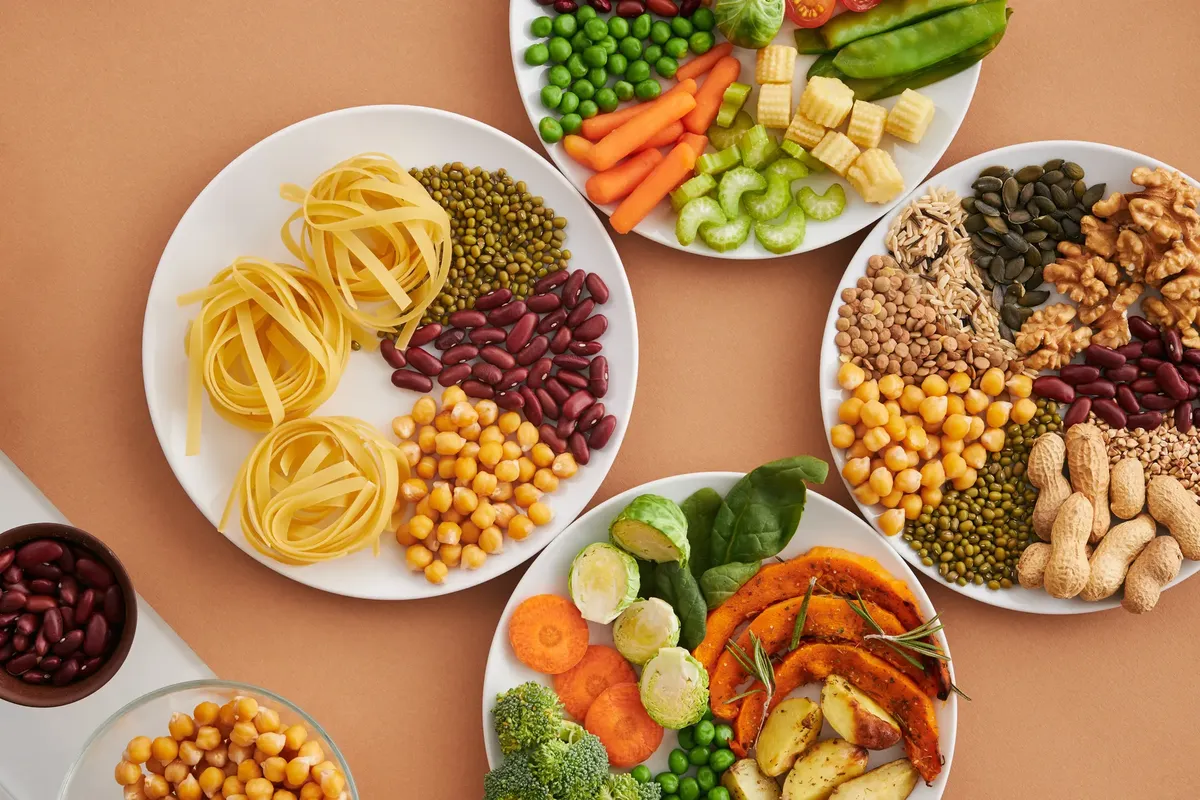
A structured approach focuses on whole foods like vegetables, fruits, legumes, and grains to provide essential nutrients.
How does reducing animal protein health compare to other diets?
At sunset, a woman sits at a wooden table and compares a heavy steak to a light plant dish, feeling the cool breeze against her skin.
A researcher compares two different meal plans on a white desk, noting the varying macronutrient profiles. Understanding the nuances of reducing animal protein health is essential for making informed choices.
A review of medical literature suggests that the term can be ambiguous in clinical settings. It was found that 50% of clinical trials use the term interchangeably with vegan, meaning the interventional diet did not include foods of animal origin.
Furthermore, the composition of these diets can vary significantly in research settings. For instance, 30% of studies included dairy products, while 20% included meat.
This variability shows that a vegan diet health impact can be viewed through different lenses depending on the specific study parameters.
| Diet Type | Typical Composition |
|---|---|
| Vegan | Total exclusion of animal products |
| Vegetarian | Subset of plant-based diets that may exclude some animal foods |
I observed how these different definitions can change the way a person approaches their daily meal planning.
Shifting toward plant-derived proteins often results in higher fiber intake compared to traditional meat-heavy diets.
How do I practically transition to a vegan diet? A person carefully prepares a colorful salad, layering greens and seeds in a large wooden bowl. Transitioning toward a plant-focused lifestyle requires a structured approach to ensure nutritional adequacy.
According to the National Institut, an NIH study compares low-fat, plant-based diet to low-carb, animal-based diet.
- Focus on diverse plant sources to meet caloric and nutrient needs. 2. Gradually replace animal-based proteins with legumes, nuts, or seeds. 3. Monitor daily intake to ensure a balanced distribution of macronutrients.

A final check involves verifying that all dietary needs are met through a variety of whole foods. This ensures that the shift is sustainable and nutritionally sound for the individual.
- Gradually replace meat with plant-based proteins.
- Increase whole grain consumption.
- Incorporate more diverse vegetable varieties into daily meals.
- In this sequence, the second step is the shortest.
Is a plant food benefits study applicable to everyone?
An investigator looks through a microscope at various plant tissue samples in a laboratory setting. Understanding the scope of a plant food benefits study helps clarify who might benefit most.
Vegetarian diets form a subset of plant-based diets, which may exclude the consumption of some or all forms of animal foods. The WHO lists various styles, including flexitarian, lacto-vegetarian, lacto-ovo vegetarian, ovo-vegetarian, pescatarian, and vegan diets, as plant-based.
These categories allow for different levels of animal product inclusion. This variety ensures that the dietary pattern can be adapted to different cultural and personal preferences.
Individual nutritional needs vary, so personal health conditions should dictate how these dietary changes are implemented.
How do dietary changes affect long-term wellness?
A person walks through a park, feeling energized by a light and nutritious breakfast. Exploring the long-term effects of diet change health outcomes reveals much about metabolic health.
The dietary guidelines often maintain existing consensus regarding fat intake. For example, the DGAs maintained that saturated fat consumption should not exceed 10% of total daily calories.
In a 2,000-calorie diet, this 10% limit equates to roughly 22 grams of saturated fat. Maintaining these limits is a common goal when adjusting dietary patterns to improve health.
Consistent dietary shifts can support sustained energy levels and overall physical well-being over time.
Plant based diet health benefits
The subject here is Plant based diet health benefits.
This part also covers Benefits of plant focused eating.
This part also covers Low meat diet health review.
This part also covers Vegetarian diet long term effects.
Benefits of plant focused eating
Related







Comments 0