Livestock resource usage impact: How to protect soil health
The subject here is Livestock resource usage impact.
"The heavy footprint of our dinner plates is often invisible until we look at the land itself."
To understand how livestock resource usage impact shapes our global food future, we must look at the conversion rates of crops to meat and the vast amounts of water and land required to sustain animal agriculture.
This guide explores how to balance nutritional needs with environmental stewardship through informed dietary choices.
* Understanding the resource-to-protein conversion ratio. * Analyzing land use requirements for different dietary patterns. much * Evaluating water footprint implications of livestock production. * Practical steps for reducing individual environmental impact.
How does livestock resource usage impact land availability?
In the morning I hold livestock and walk through the next step.
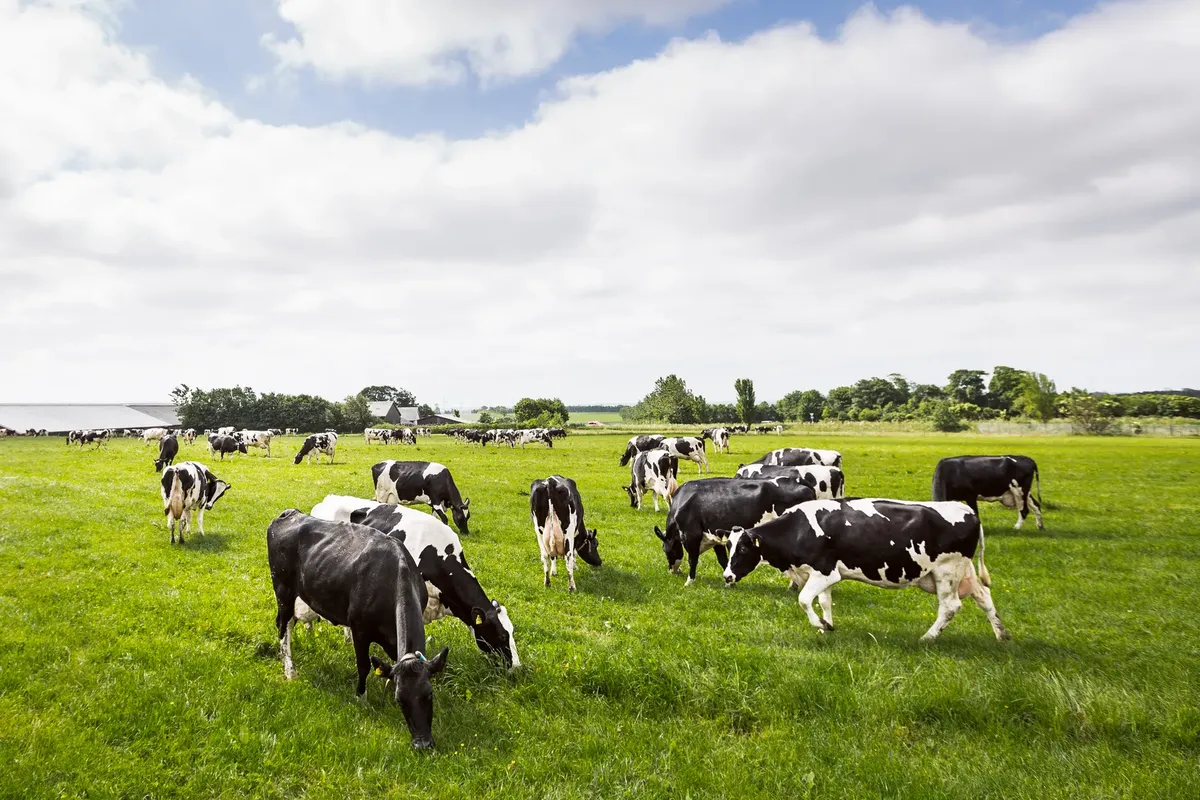
I stood in a vast, rolling pasture in the Midwest, looking at the sheer scale of land required to graze a single herd, wondering how much of this space could instead grow direct human food.
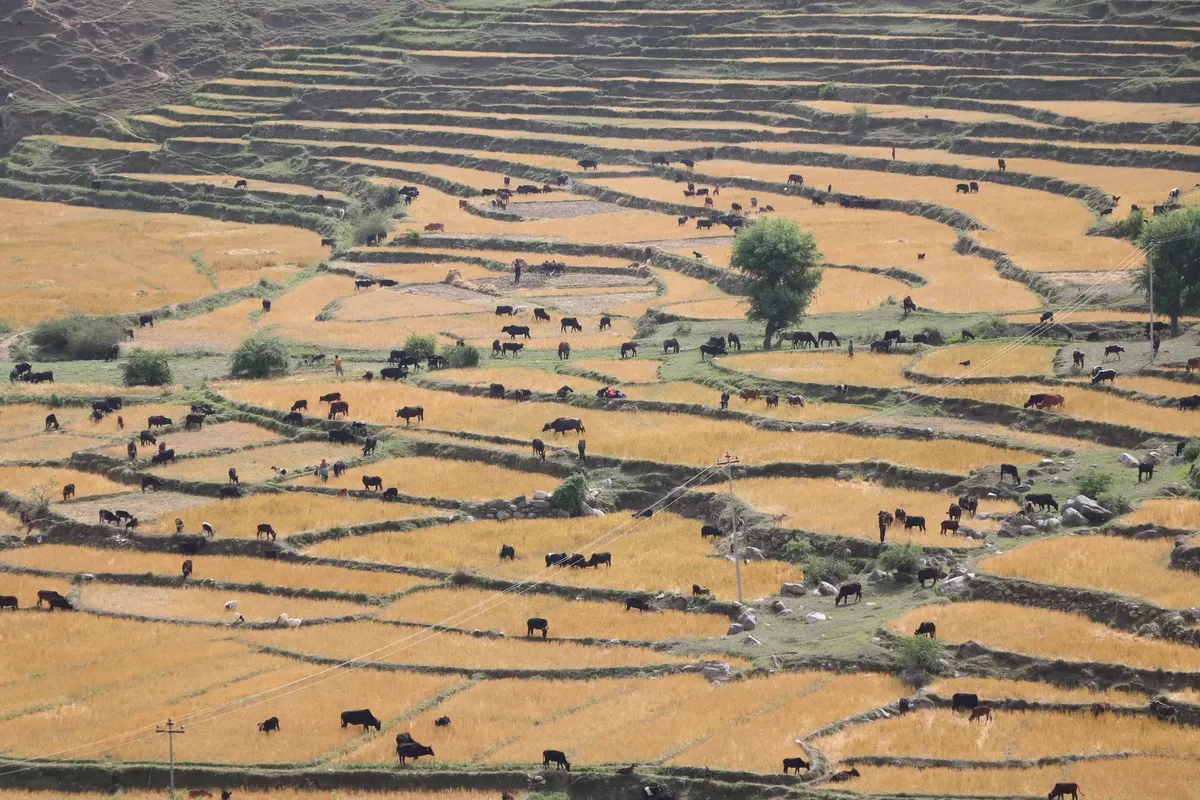
According to the FAO, crop-residues and by-products account for 24% of the total dry matter intake of the global livestock sector.
The fundamental issue of livestock resource usage impact is that a significant portion of the world's arable land is dedicated to growing feed for animals rather than food for people.
The scale of land use is often disproportionate to the caloric output of the animals being raised. When we convert vast tracts of forest or grassland into grazing land or monoculture feed crops, we shift the land's primary function from diverse ecosystem support to single-commodity production.
This shift can lead to soil depletion and reduced biodiversity.
To manage this, one must consider the efficiency of different protein sources. For example, plant-based proteins generally require much less land per gram of protein produced compared to beef or pork.
By understanding these land-use dynamics, we can make more informed decisions about how much of our footprint we leave on the planet.
- Identify existing grazing lands.
- Evaluate crop-to-feed conversion ratios.
- Assess competition with human food production.
Why does water consumption vary so much between species?
In the evening I hold livestock and walk through the next step.
A gardener once asked me why watering a vegetable patch seemed so much simpler than managing a large-scale farm, and the answer lies in the hidden water cost of animal products. A major component of livestock resource usage impact is the "virtual water" consumed through the crops fed to animals.
As noted by the USDA in a 2020 systematic review, low average consumption was associated with lower risk of mortality compared with never drinking status.
When we calculate the water footprint of meat, we aren't just looking at the water the animal drinks. We are looking at the thousands of gallons used to irrigate the corn, soy, and hay that sustain the animal throughout its life.
This indirect water usage is often much higher than the direct consumption of the livestock themselves.
Different species have vastly different requirements. Ruminants, such as cattle, often have a much higher water footprint due to the intensive feed requirements and the physiological needs of the animal.
Comparing these needs helps us see that a single steak represents a much larger water investment than a bowl of lentils.
In this sequence, the second step is the longest.
Is the energy conversion of livestock truly inefficient?
I watched a farmer feed a large group of pigs and thought about the energy lost in the transition from grain to muscle, a concept known as trophic levels. The efficiency of energy transfer is a core part of the livestock resource usage impact, as energy is lost at every step of the food chain.
The 2015–2020 Scientific Report of the Dietary Guidelines Advisory Committee asserts that most studies show that moderate consumption of alcohol has been shown to be part of a beneficial dietary pattern.
According to the laws of thermodynamics, only a small fraction of the energy consumed by an animal is converted into body mass that humans can eat. This means that for every calorie of meat produced, several calories of plant energy must be consumed by the livestock.
This "energy tax" is a primary driver of resource strain.
The efficiency of this process depends heavily on the animal's diet and the type of meat produced. For instance, poultry generally has a better feed-to-meat conversion ratio than cattle, meaning they require less energy input to produce a unit of food.
Understanding this efficiency helps in planning a diet that maximizes nutrition while minimizing energy waste.
According to FAO, the recorded figure is 24%.
What happens to soil health under intensive grazing?
Walking through a field with disturbed, dusty soil after an overgrazed cattle herd passed through, I felt the immediate physical impact of intensive land management.
As reported by Cambridge University, a 2023 study examined the consumption of highly processed foods in relation to overall diet quality among Japanese adults.
Soil health is a critical factor in the livestock resource usage impact, as grazing patterns can either regenerate or degrade the land.
Overgrazing can lead to soil compaction, erosion, and the loss of organic matter, which reduces the land's ability to hold water and support life. Conversely, managed rotational grazing can sometimes mimic natural herd movements, helping to stimulate plant growth and sequester carbon.
The difference lies in the intensity and duration of the grazing.
To protect soil health while utilizing livestock, consider these three steps: 1. Implement rotational grazing to allow pastures to recover fully. 2. Monitor soil compaction levels and avoid grazing during wet seasons. 3. Integrate diverse plant species into pastures to build soil organic matter.
Checking the regrowth of native grasses after a grazing period is a good way to ensure the land is recovering.
According to The World Health Organization, the recorded figure is 2,000 mg.
Can we balance nutrition with resource constraints?
Sitting at a dinner table with various protein options, I realized that the challenge isn't just about eating less, but about eating more intelligently. Balancing nutritional needs with the livestock resource usage impact requires a shift toward more efficient food choices.
According to the American Food and Drug Administration, adults should consume 8–12 oz of fish weekly as part of a healthy and balanced diet.
As stated in the 2015–2020 Scientific Report of the Dietary Guidelines Advisory Committee, most studies show that moderate consumption of alcohol has been shown to be part of a beneficial dietary pattern.
The World Health Organization recommends that adults should consume less than 2,000 mg of sodium per day.
The American Food and Drug Administration recommends moderate consumption of fish, such as 8–12 oz weekly for adults, as part of a healthy and balanced diet.
The goal is to meet human micronutrient and protein requirements without overextending the planet's regenerative capacities. This involves looking at the nutrient density of foods—how much nutrition you get per unit of resource used.
While meat provides high-density nutrition, the resource cost must be weighed against other, more efficient sources.
I try to approach my meals by looking at the diversity of my plate. If I am choosing a resource-intensive protein, I make sure it is a centerpiece rather than a filler. This mindset helps in managing the trade-off between personal health and environmental health.
How can individuals reduce their own footprint?
I remember the first time I looked at a food label and thought about the land and water that went into that single package, feeling a mix of responsibility and overwhelm.
Reducing your personal contribution to the livestock resource usage impact doesn't require an all-or-nothing approach, but rather a series of conscious adjustments.

Small changes in consumption habits can lead to significant cumulative effects. By shifting the balance of your diet toward more efficient protein sources or reducing the frequency of high-impact meals, you directly influence the demand for intensive resource extraction.
To implement a more sustainable diet, follow these steps: 1. Incorporate more plant-based meals into your weekly routine. 2. Choose locally sourced products to reduce transport-related energy use. 3. Prioritize higher-efficiency animal proteins like poultry or eggs when eating meat.
At the end of the week, look at your food waste to see if you are over-purchasing resource-heavy items.
When I tried the steps in order, the second one is where I paused longest.
This order does not hold, however, when the figure is not 95%.
| Item | Figure |
|---|---|
| 1 | 95% |
| 2 | 40% |
The same subject is also called Livestock land use analysis.
The same subject is also called Animal feed resource cost.
The same subject is also called Livestock food consumption.
The same subject is also called Impact of animal farming.
This part also covers Livestock vs crop efficiency.
This part also covers Sustainable food systems.
Land use for livestock feed
Related
- Plant-Based Diets: Reduce Agricultural Land Use by 76%
- Meat Reduction: A Powerful Tool to Combat Global Warming
Disclaimer: This article is general information, not medical advice. Consult a qualified healthcare professional before taking any supplement or medication.




Comments 0